Demands on technology often emerge and change rapidly. The pandemic brought a surge in the use of certain tools that may continue to be used over a long time or may be forgotten. While schools that adapted their teaching and learning styles and backed it with technology did well, there were others that suffered the lack of infrastructure despite the best interest of students at heart.
While remote work mindset will continue in the post pandemic era, not every office will function online. The much needed awareness about security risks of doing everything online was amplified for us to pay heed. Digital self service solutions and E -commerce buying patterns have created a new baseline in consumer behaviour. With social distancing as the new norm, people are now more comfortable with contactless and voice-enabled interactions. We have survived with video conferencing over the past year. Tech trends surely have moulded our lives and we seem to be spending more on-screen time despite its shortfall.
It is time we reimagine the use of technology within our classrooms too so that students are not merely surviving but rather thriving in these times that ask each one of us to become future focussed.
From the desk of Ms. Rima Singh, Head of School
TECH FOR GOOD
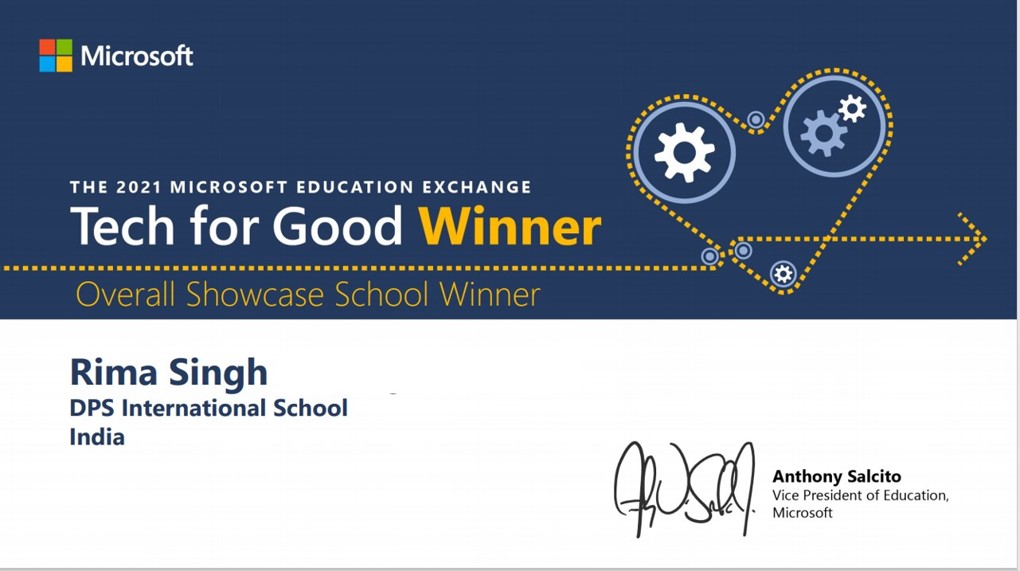
DPSI School was nominated as Overall Showcase School Winner for Climate Action Project and Project Dharohar which was an extension of the Climate Action Project. DPSI got Global recognition for the school as Top Showcase School and winner for the Tech for Good Global Challenge among 440 projects across 100+ countries. This was a school-led Service as Action project where students of grades 3-12 actively participated, contributed, and brought change despite being at home on a virtual learning setup. A safe and technology-enabled learning environment on Microsoft Teams at school helped students to focus on the most pressing needs of the hour, ensuring the planet’s health and promoting sustainable practices to achieve this despite being on a virtual platform of learning.
Over a period of six weeks, from September 28 to November 6, 2020, students and several teachers joined thousands of classrooms from across the globe to study the various factors that are causing this crisis. Skype, Google Meet, Teams, Flipgrid and Zoom platforms helped in this global collaboration. Through the process of inquiry, innovation, and technology integration using various tech tools the students outlined the local causes and concerns, connected them with the global climate issues and came up with solutions to solve the problems. Through action and interactions, students collaborated week after week to create a platform where the exchange of ideas came easy and special inputs from experts from WWF, NASA and the UN instilled in them the confidence that they, indeed, can spearhead change and save this planet from the environmental disasters. A Wakelet collection was created where students posted their pictures while celebrating ‘Monday for Mother Nature’.
Project Dharohar was a school-led initiative during Diwali where our students advocated the idea of reusing and recycling products and skills handed down to them by their parents and grandparents instead of mindlessly buying newer things through Flipgrid.
Students thought of innovative and creative solutions and communicated the same using the technology interaction platform TEAMS and other applications integrated into it. Students communicated their learnings in a variety of ways such as creating websites for awareness, making presentations to educate people about the cause, writing petitions etc. It was an enriching and engaging experience for the students and the school community.
-Ms. Gunjan Tomar, Activities Coordinator
DIGITAL CITIZENSHIP
The use of technology has increased exponentially during pandemic times. Just like 1:1 devices and Bring-your-own-device (BYOD), 1: Web is a new term in educational technology where each device used by either students or by educators is connected to the internet, be it for accessing resources, collaboration or connecting and communicating beyond the boundaries of the school. Technology changed its role from a tool in school to the backbone of virtual school.
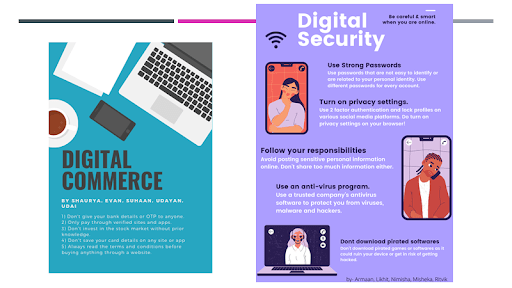
With all students connected to the web more than ever before, it became imperative for all educators to be the advocates and coaches of Digital Citizenship along with the ICT team at the school. Digital citizenship is an essential life skill which can help students to participate fully in their communities and make right choices online and in life and leave impressive digital footprints behind. It can also equip in creating a culture where each student is able to manage and secure a personal online identity while connecting with the world for all purposes. The primary focus of the year was the wellbeing of students both in physical and virtual space.
There was a significant effort made on enabling and equipping students to have a balanced and responsible digital identity both in and outside the school community.
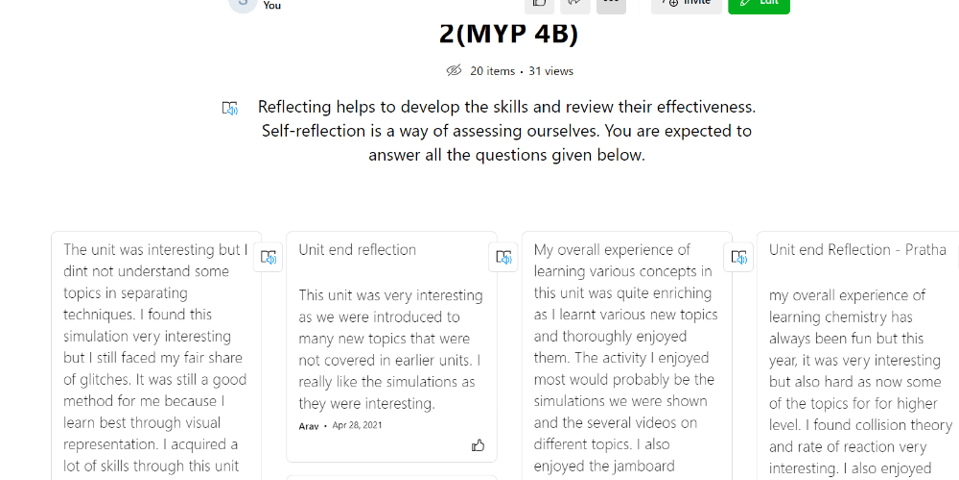
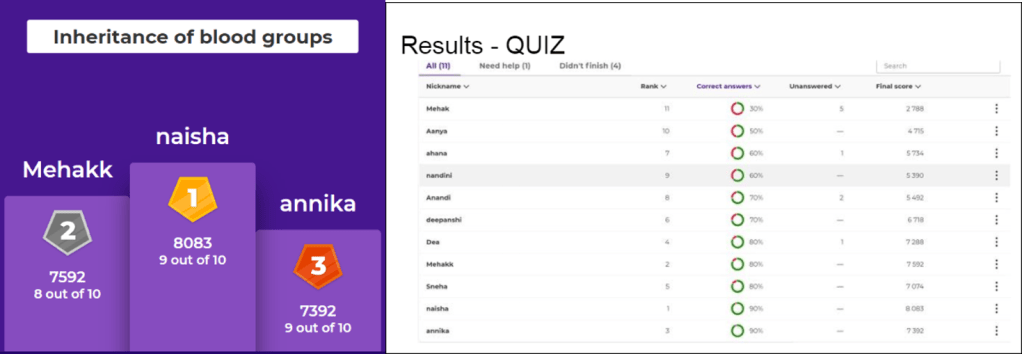
Sessions for students and educators were conducted on Microsoft Teams every month on different strands of Digital Citizenship. Activities, surveys and quiz were conducted using different tools like Microsoft Forms, Google Forms, Slido, Mentimeter, Quizzes and Kahoot.
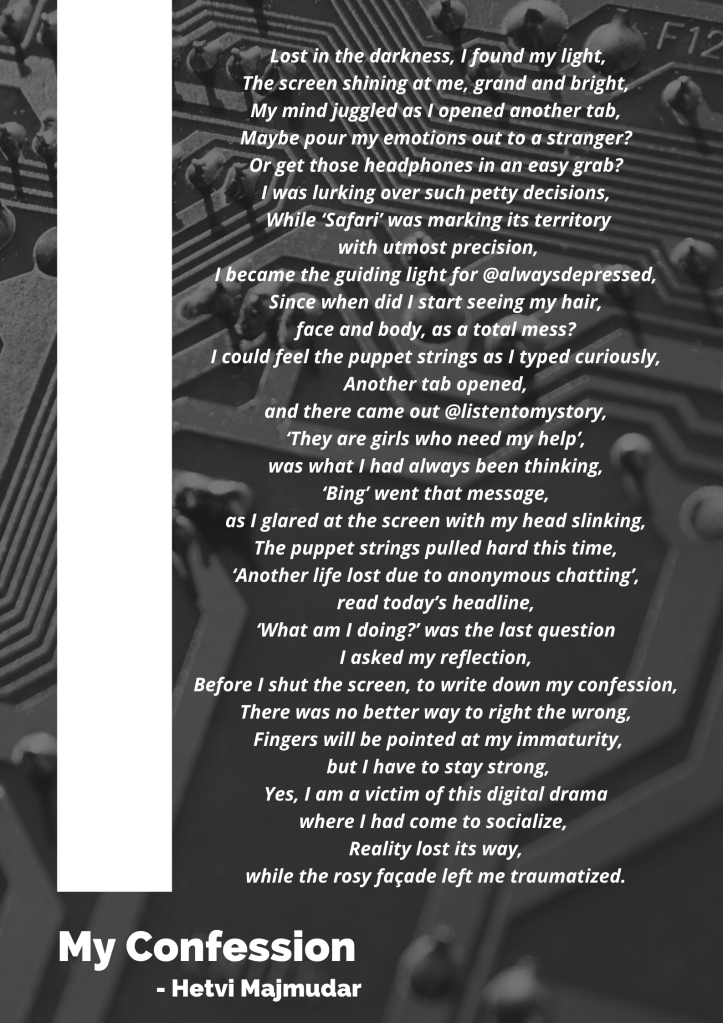
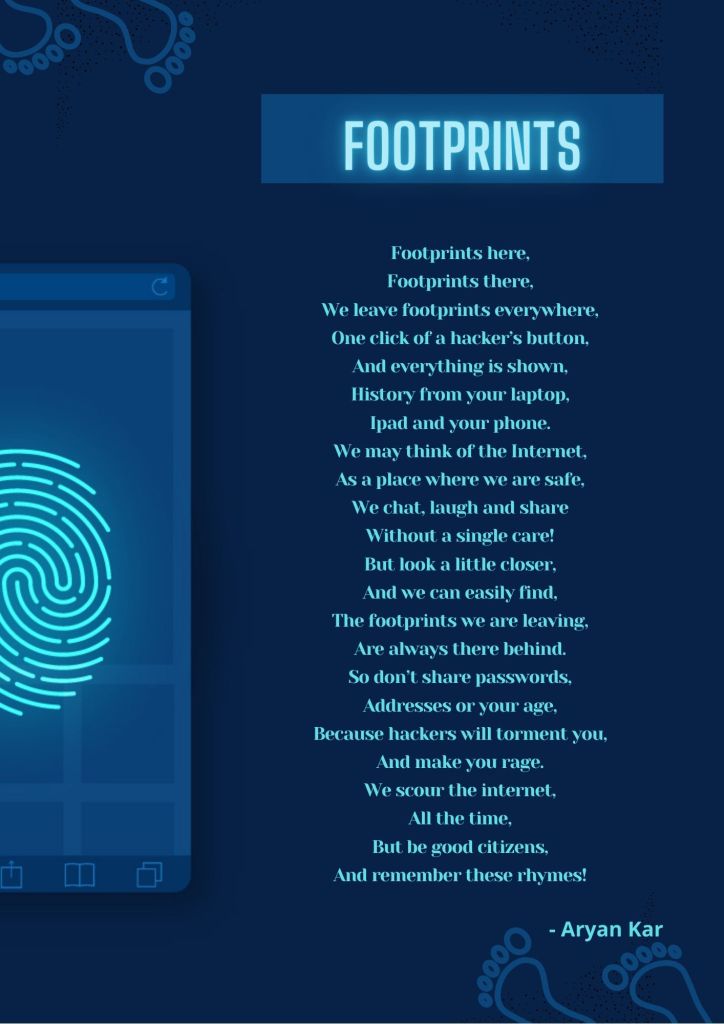
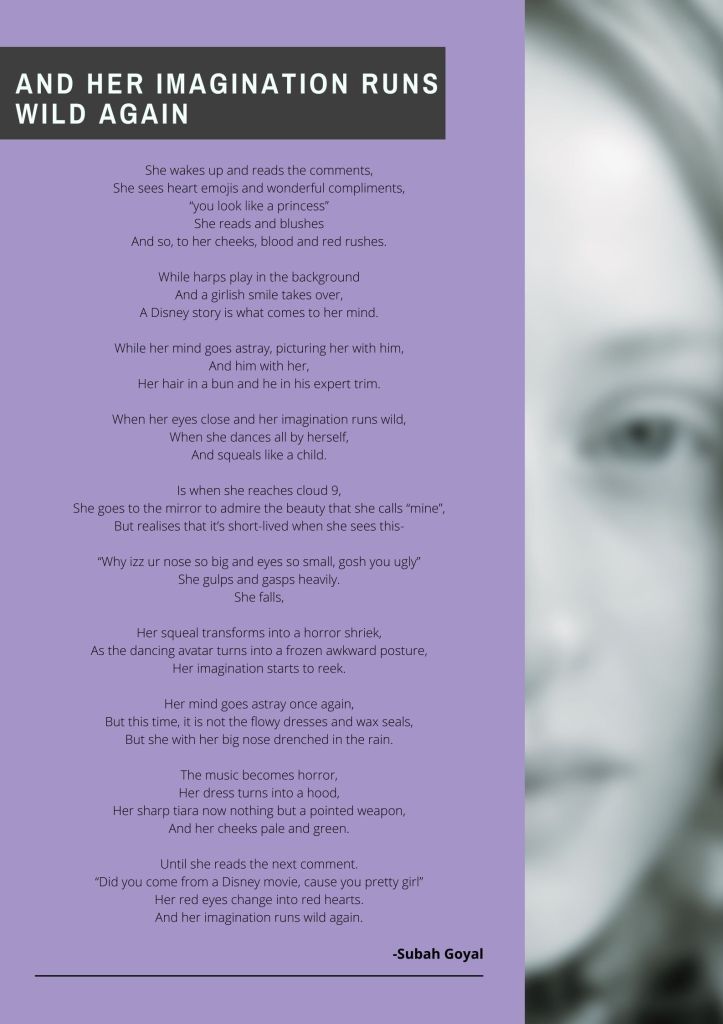
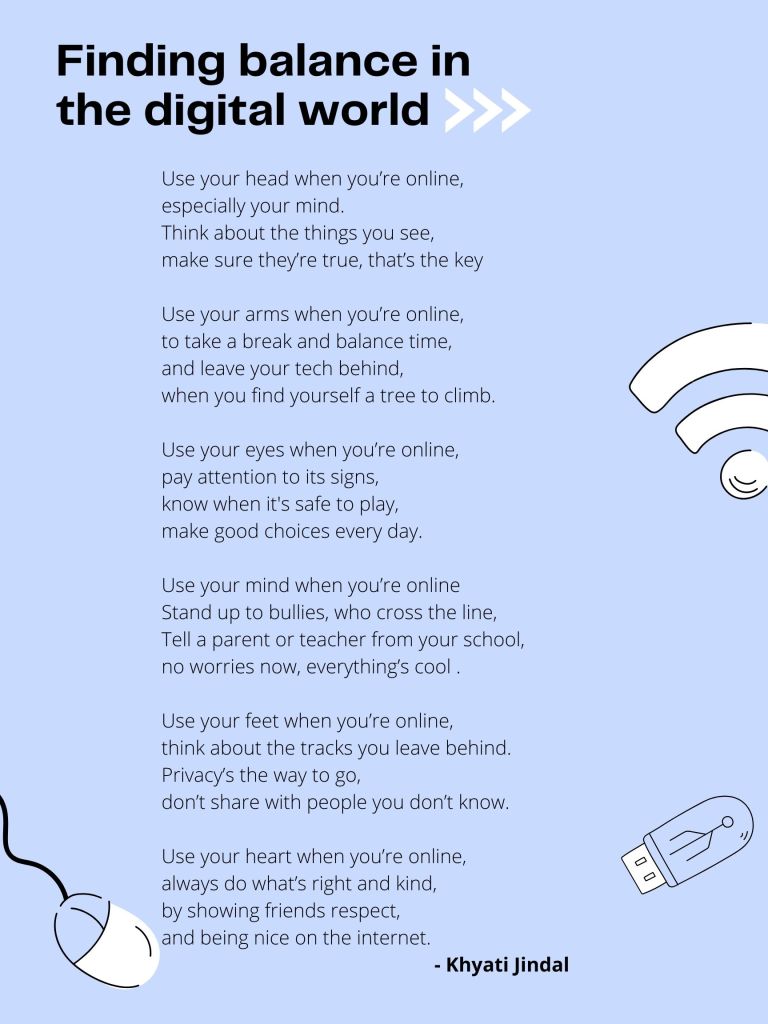
To mark the Safer Internet Day on February 9, 2021, students of MYP 1 to DP 2 were invited to participate in competition with the following themes:
1. Finding balance in the digital world
2. Who are you online?
3. Digital Drama Unplugged (hate speech and cyberbullying)
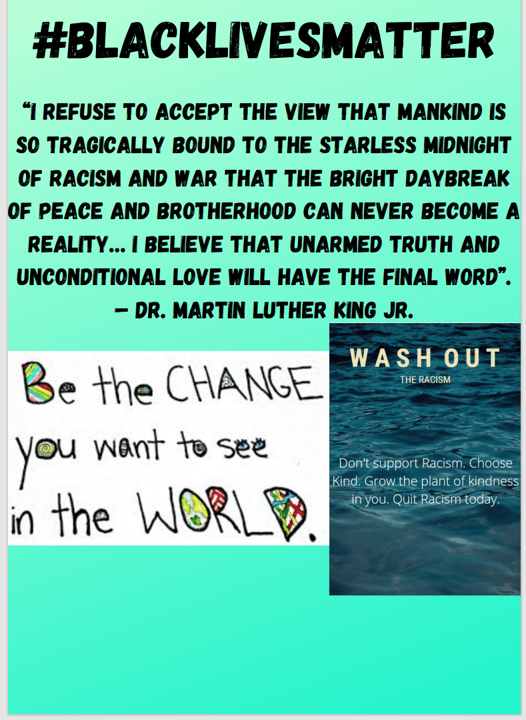
Winning entries of the Safer Internet Day competition:

DPSI’S INAUGURAL ESPORTS TOURNAMENT
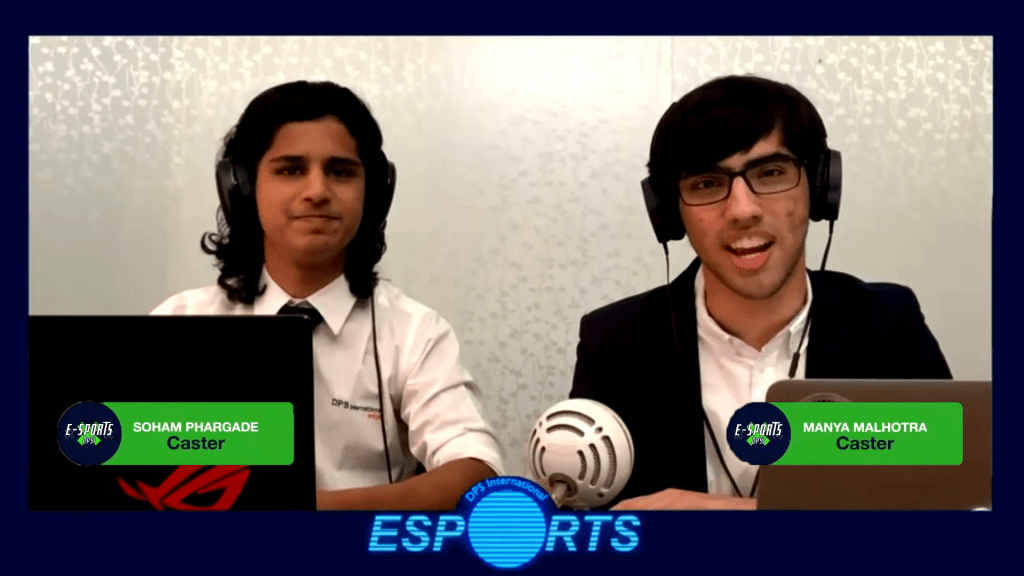
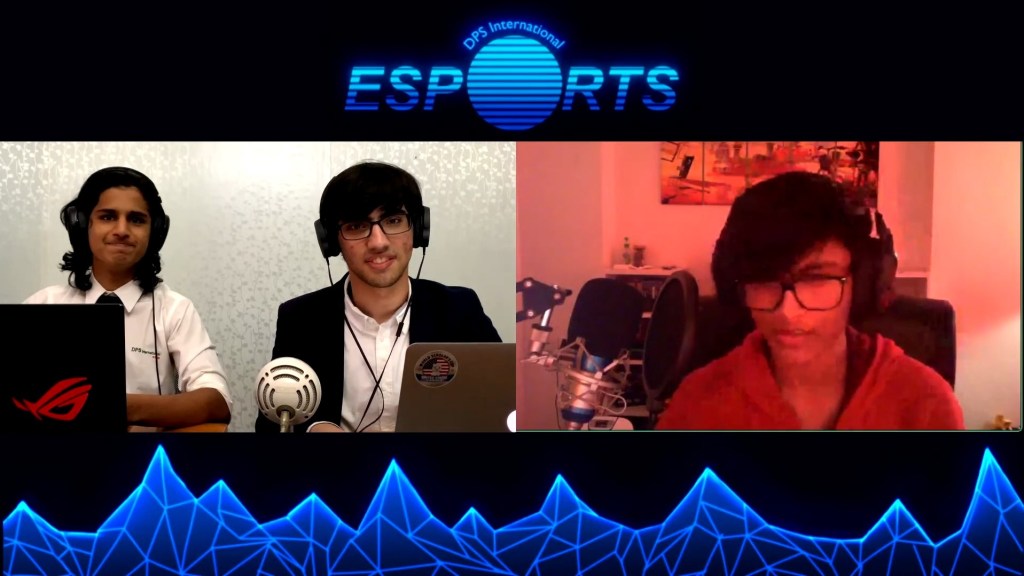
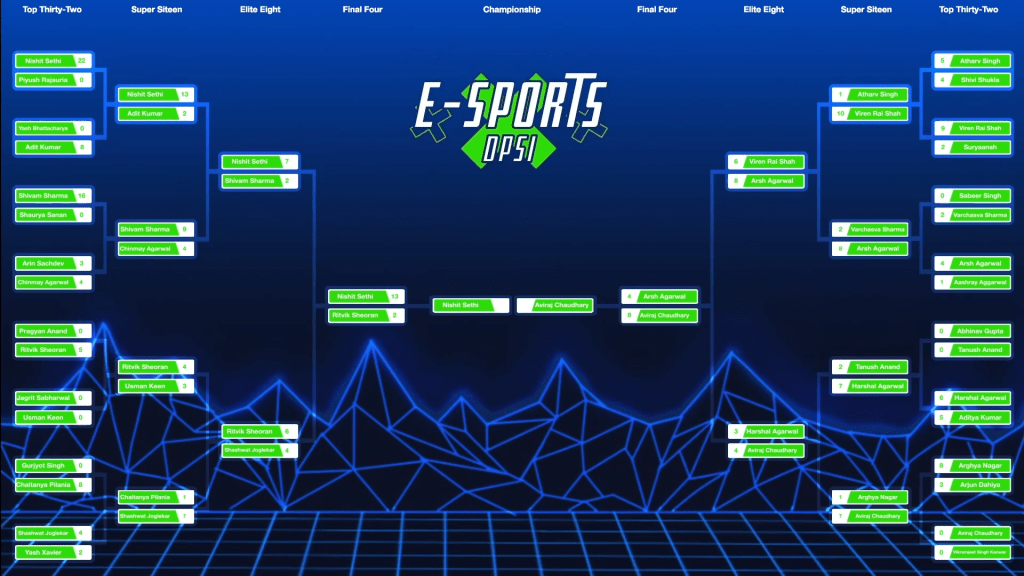
DPSI’s inaugural esports tournament was a grand success, and it was also DPSI’s first event that was 100% student-led. The tournament began on February 8th. A total of 48 participants across 2 games – Rocket League and CSGO – participated in the preliminary rounds on a Discord server tailor-made for the participants. Said rounds were organized and administered by Ansh Aggarwal, Manya Malhotra, Soham Patil, Soham Phargade, and Zorawar Desai.
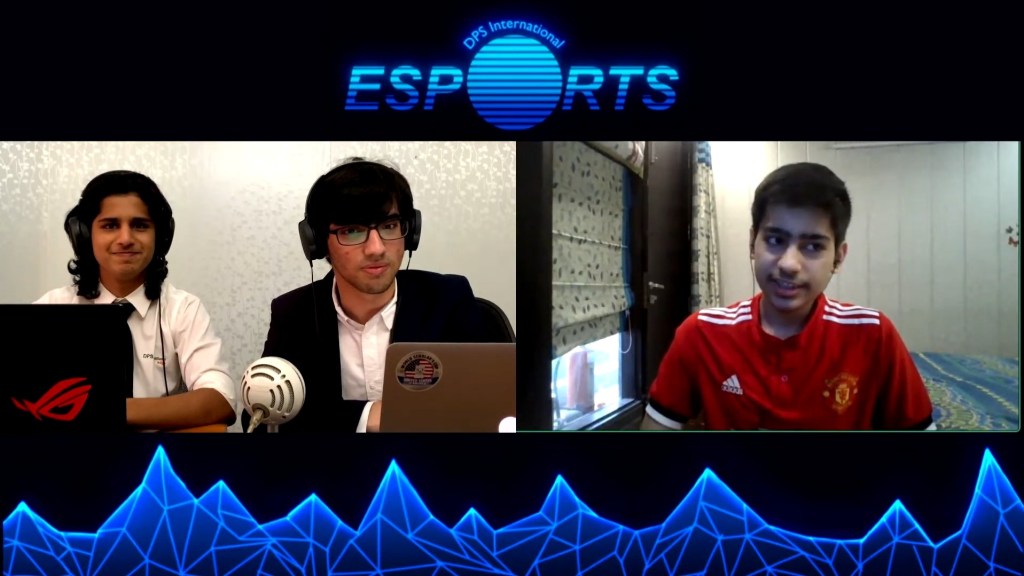
The grand finale event was casted live by Manya Malhotra alongside Soham Phargade on February 24, 2021. The livestream was administered by Soham Phargade and broadcasted on the school’s official YouTube channel using OBS. The production team which consisted of Aayush Rathaur, Rishi Mohan, and Simar Bhogal created the graphics and animation using Adobe Premiere Pro, Adobe Photoshop and Blender for the live telecast of the finale.
Nishit Sethi went on to win the finals by sweeping his opponent in two games. Next was CSGO and Adhiraj also swept his opponent albeit by razor thin margins both times. The winners were interviewed after their games on stream.



EDUCATORS’ LEARNING CURVE
With the entire school term switching to the online platform, teachers equipped themselves with the requisite tools. We also ensured safety from any security breach and created safe learning environments for our students.
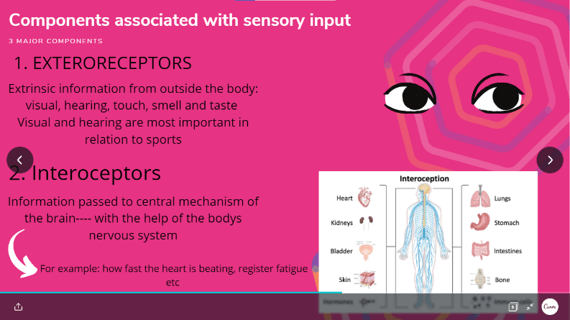
Then came the need for engaging students visually during the online lessons. Various digital tools to create engaging and relevant backdrops were used to share content and teach concepts- tools like MS PowerPoint, Prezi, Sway, Google slides, etc.
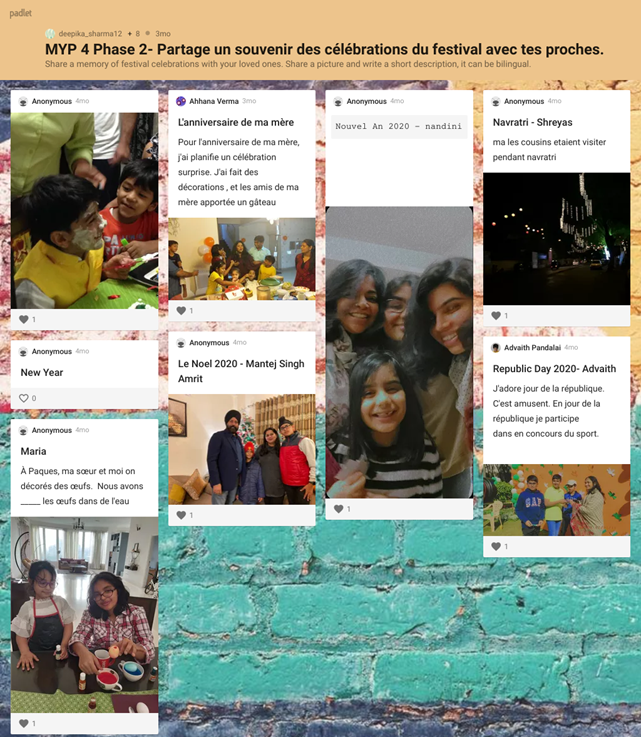
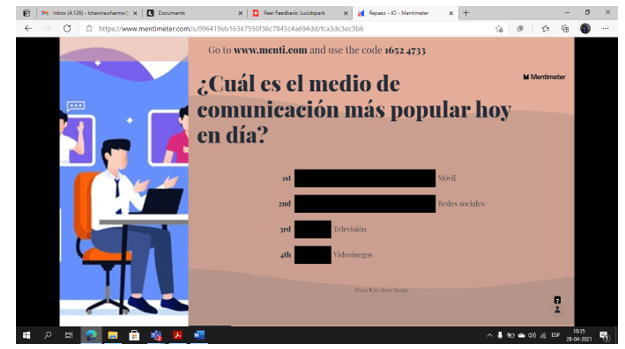
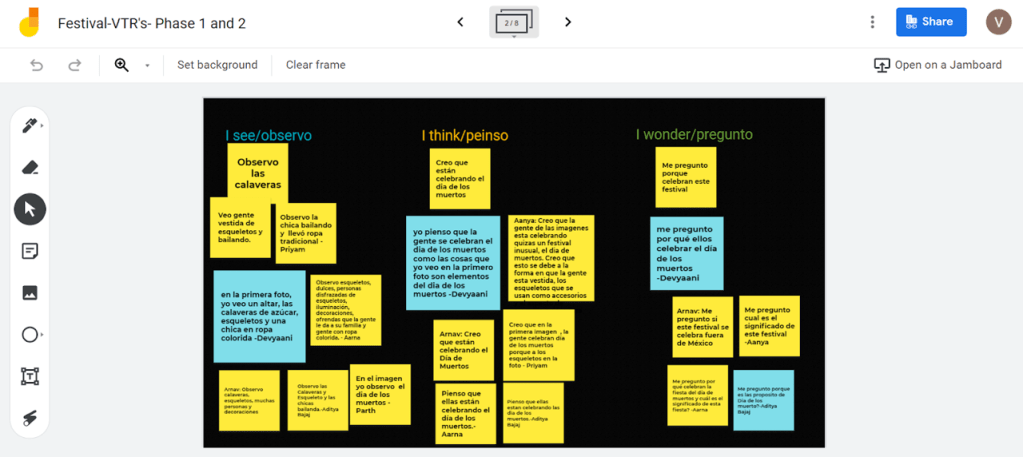
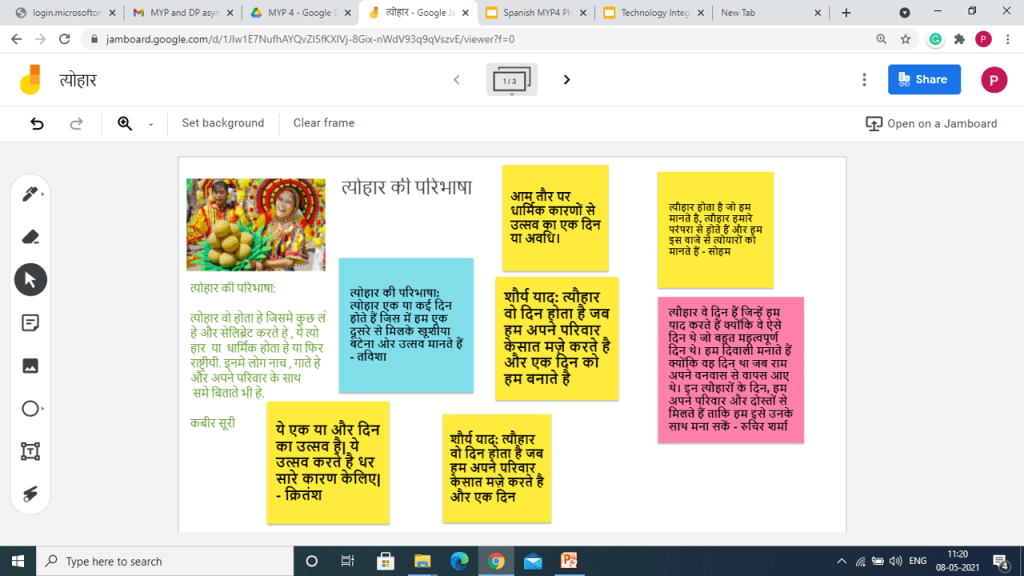
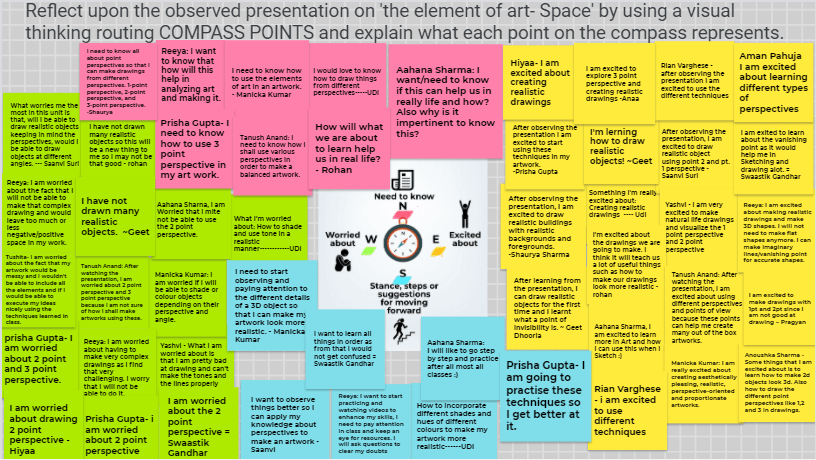
Visual thinking routines were filly supported by some other digital tools. MYP 3 teachers faced the challenge of recreating the gallery walk for a unit. Flipbook came to their rescue as students could access the link and view each artefact at their individual pace. Trello was a powerful tool for students to engage in exchanging opinions and argumentation in MYP 5. Google slides and Jamboard were useful when students collated their own research work and created a common resource in DP1. Mentimeter was a powerful visual tool for students who were reluctant to speak in class. Activities were designed on Mentimeter to offer a platform to such students to air their thoughts. Although we used Padlet initially, we learned from experience that not all students could responsibly handle the privilege of anonymity. Formative assessments were also varied as students used digital tools to create posters, blogs, etc; differentiation and learner variability was therefore, effectively addressed. Although most students used technology with great responsibility, the importance of digital citizenship was reinforced often by the teachers.
-Ms. Anusha Chauhan, Language and Literature Facilitator

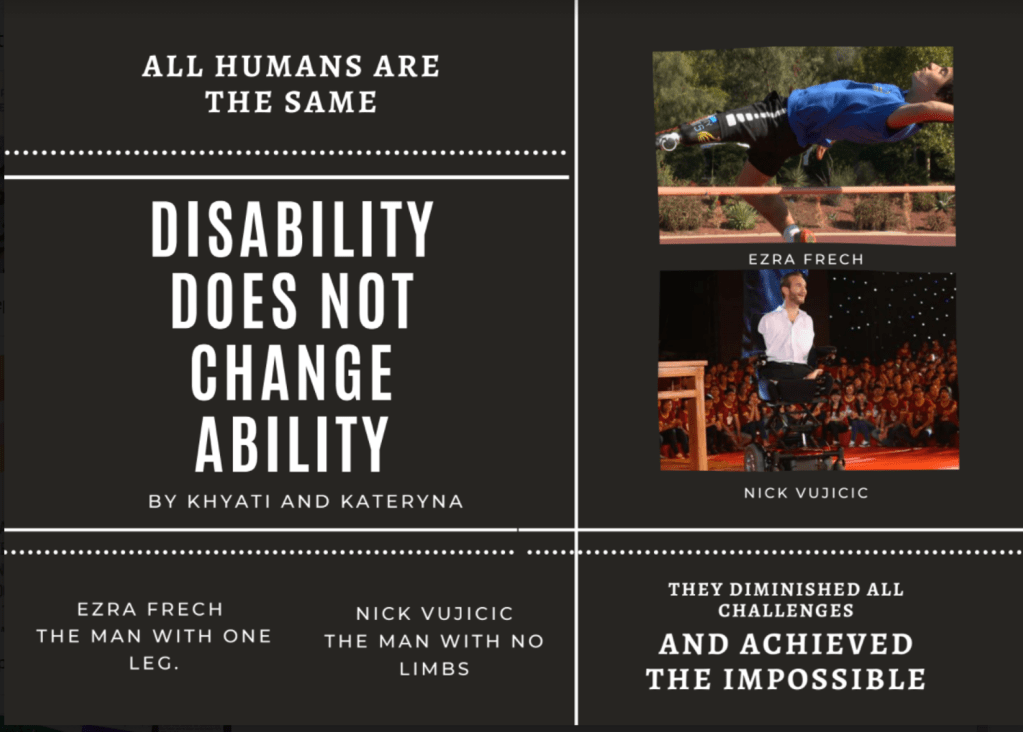

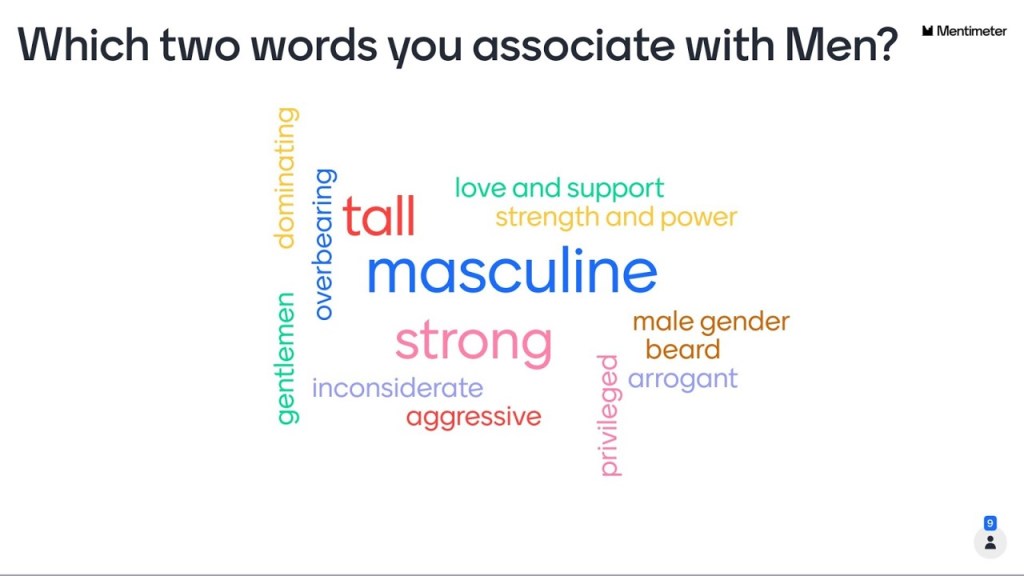

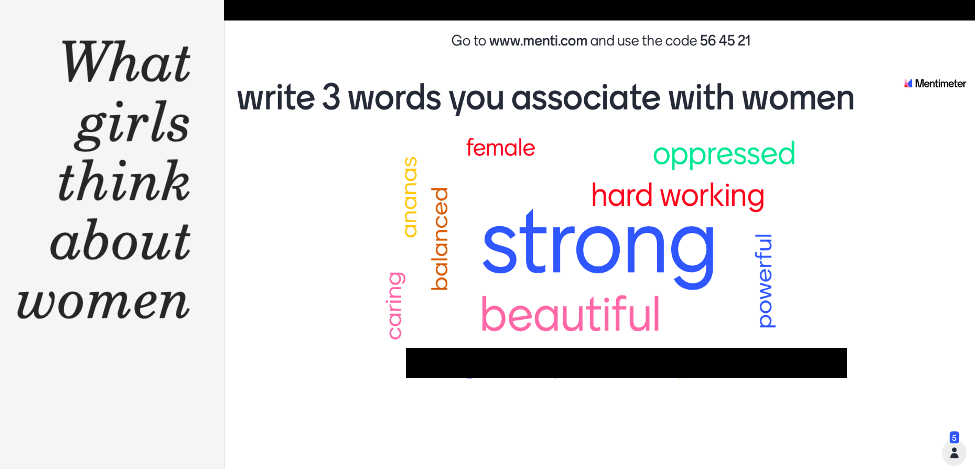
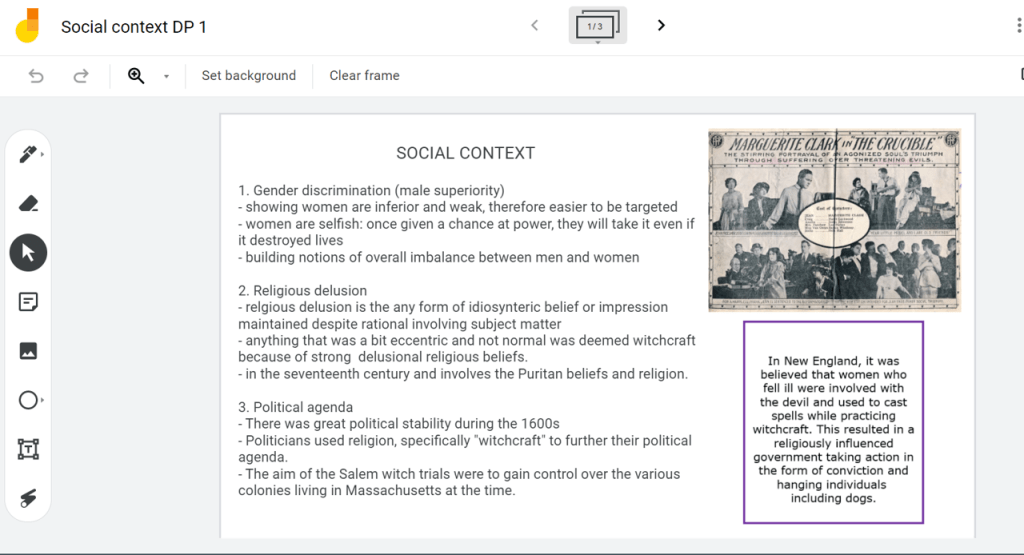
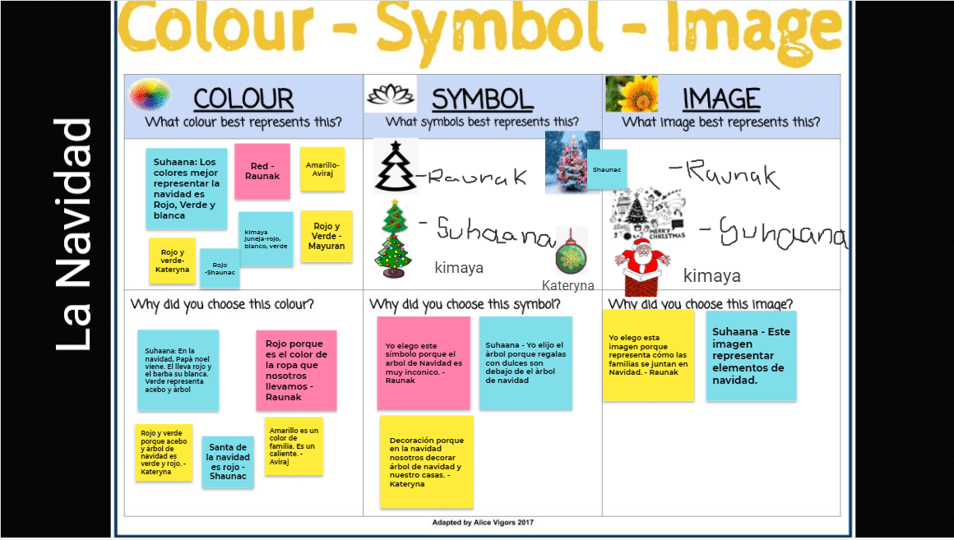
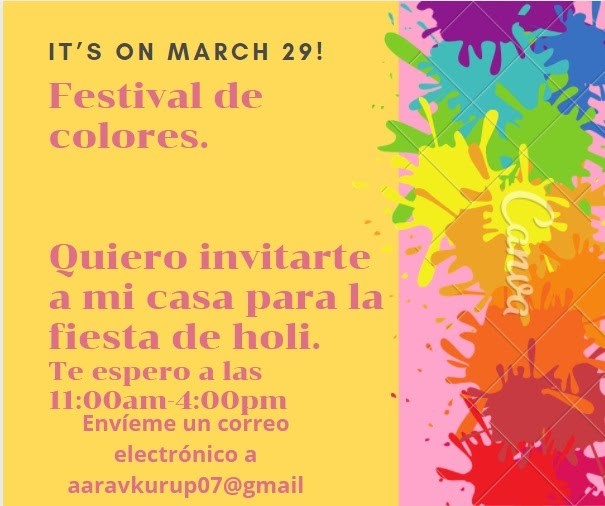
Remote learning set up could have appeared as a potential stumbling block in the process of teaching-learning. Thanks to the technology and its tools, language teachers were able to deliver interactive sessions with a blend of collaborative and peer group activities. For instance: Jam board, Canva, Padlet, Sway, Google forms, Mentimeter and many more. Language teaching loaded with technology integration actually has revolutionised the overall teaching-learning experience. We possess not only multiple and creative ways to introduce, teach any concept but also to ensure whether the concepts were understood. Moreover, the evaluation of assessments has become less tedious. In other words it’s no more monotonous. It helps students to learn more in a better way. It offers more opportunities for collaboration and project-based learning.
Technology Integration can be considered as a boon especially when dealing with the multi modal texts in languages. Teachers can modify or edit audio-visual texts as per the assessment requirements. They have also adapted this novel way of facilitating their students during the journey of their learning. This also results in stimulating as well as developing students’ critical and creative thinking.
Ms. Bhawna Sharma, Language Acquisition, Subject Group Leader



Moving from face-to-face to online platform was an impediment, which did reduce our speed initially but could not dampen our spirits to have student involvement in class. With school building and laboratories out of bound, our science team worked to explore different online resources like simulations and animations thus reworking on our approach for all years.
Investigations are heart of MYP & DP Sciences curriculum, and we cannot imagine science without it. Simulations were used by each member of the team to develop and enhance investigative skills (Criteria B & C). Students planned investigations and collected data using the simulation links provided by teachers. The final report was written using MS Word, and data was presented in both tabular and graphical forms. Students plotted graphs using MS Excel and Desmos.
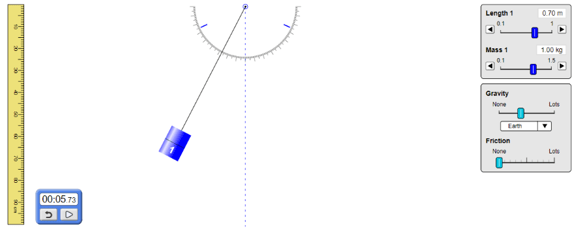
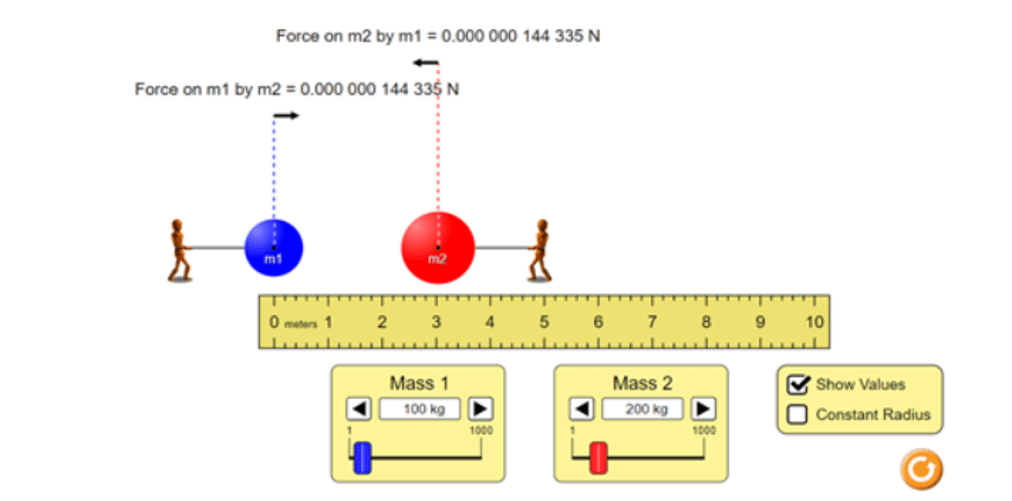
Animations helped us to support our class room teaching and learning, and helped our students understand concepts better. For example, I made use of pendulum and slinky oscillation animation, to help students understand mean and extreme positions and how energy varies between these positions. Seeing the animation, made it easy for them to understand. Apart from these regularly used tool in sciences, the team made use of many online tools such as Kahoot, Quizzes, Canava, Nearpod, Wakelet and padlet to name some. These online tools made class room learning more fun. Students were not only involved in attempting quizzes, they were also asked to make their own quizzes for assessing peers.
During virtual setup too, students were provided with opportunity to collaborate using break-out rooms of MS Teams and then present their work using various tools like Sway, Google slides, Nearpod and Canava.
– Ms. Sarbjit Kaur, Science: Science Facilitator






Information technology has paved the way for our lives to become easier, faster, better, and more fun. On one hand, technology has revolutionized our world and daily lives by putting useful information at our fingertips on the other it has created a need for us to become smart digital citizen.
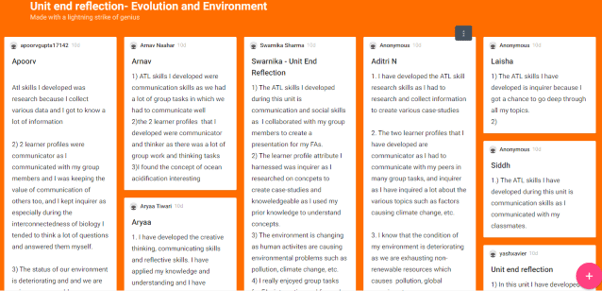
Over these 12 months we have moved on from basic PPTs and Google documents to Prezi, Canva, Minecraft, Flipgrid, Sway, Padlet, Wakelet, Edmodo, Mentimeter and many more. Inbuilt features of google that we never felt like exploring became demand of the hour to break the monotony of our classes and bingo…we were into it. There were occasions when we felt virtual classes were better than our physical classes. For introducing new concepts word clouds were became fun, for group work, Padlet grids came handy. Many shy students who could feel confident speaking in front of entire class, found it easy to speak their mind on virtual platform.
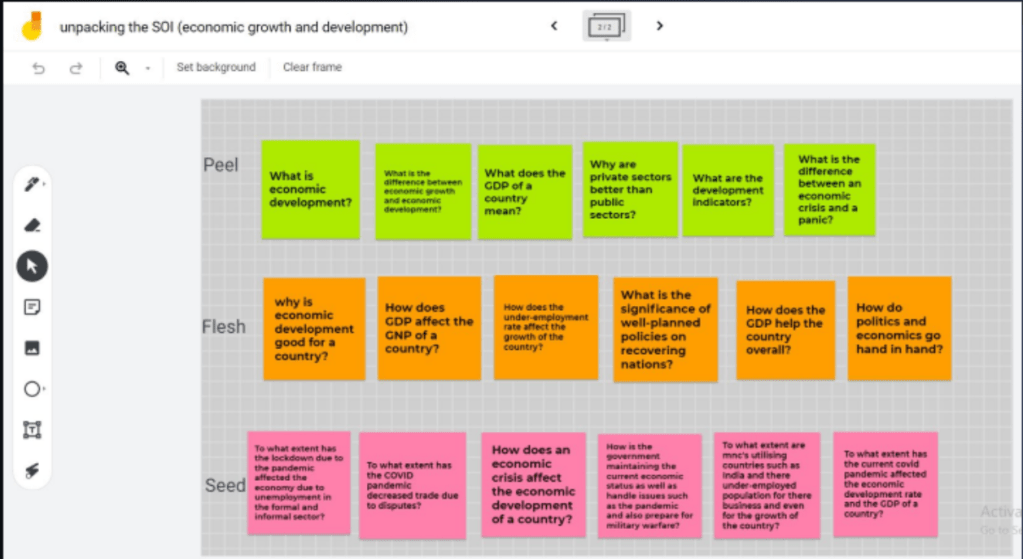
In Humanities we have to depend a lot on maps and timelines. Editable maps and tools of online timelines helped our students complete their task easily while having fun. Corroborating information from multiple sources is also necessary here. Acknowledging sources from where the information is taken is the next step. In Humanities all these are steps of Investigation action plan. It is essential to establish authenticity of students for maintaining academic honesty. Turnitin is doing the job for us.
We have come a long way. Covid-19 has taught us skills that we unthinkable otherwise. Now we have to uphold these skills and enhance them to achieve new heights. In 21st century learning modules, segregating technology from any teaching process is like putting the horse after the cart. To make it move ahead we have put this horse before the cart to drag it in the right direction.
-Ms. Alka Rana, Individual and Societies: Subject Group Leader



Mathematics has been helping mankind for a long time, be it in our basic everyday activities or in the numerous discoveries and inventions. It brings out reasoning and logical skills in us that are necessary to understand concepts and enable development of technology. However, with the advancement in technology and how it has helped Math as a subject to evolve further, I would say that technology has paid its debt to the subject.
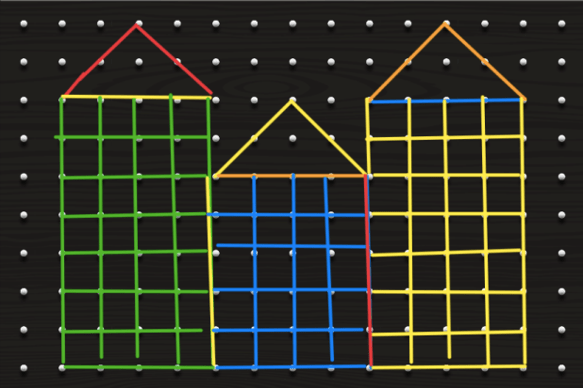
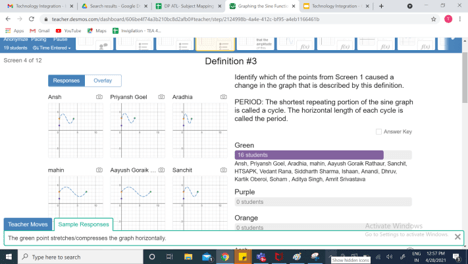
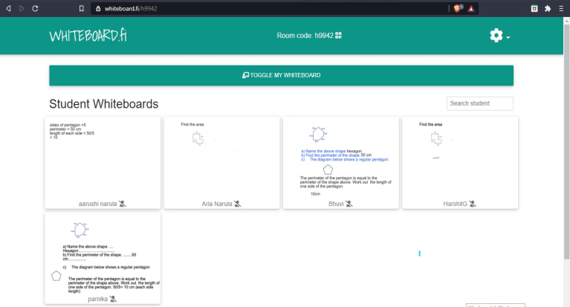
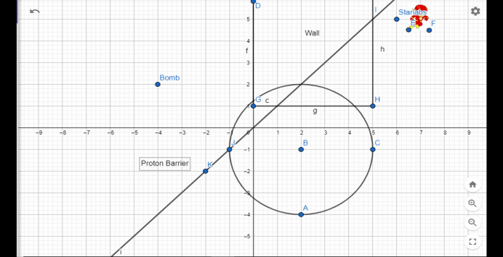
At DPSI, we have been leveraging technology enabled tools in Math for quite some time but its relevance has come to the fore even more during this remote learning. Use of tools such as online Geoboard, Desmos activities, Transum puzzles, interactive graphing tools and Whiteboard activities have not only made learning easier, rather it has made the process a little more fun. The use of graphing display calculator in DP gives a different experience to DP students. They learn to use the calculator in an advanced way to solve mathematical problems. Graphing skills help them to understand the application of advance concepts like various functions, derivatives, integration, etc.
In the end, I would say that modern technology has become an integral part of Mathematics and it’s only going to increase the adoption and application of Math in fields unexplored till now.
-Ms. Taruna Chauhan, Mathematics: Subject Group Leader


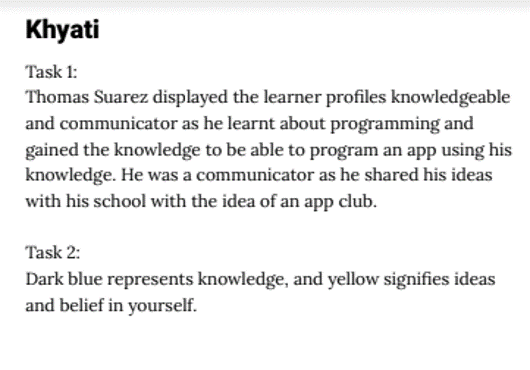
Technology tools in eportfolio
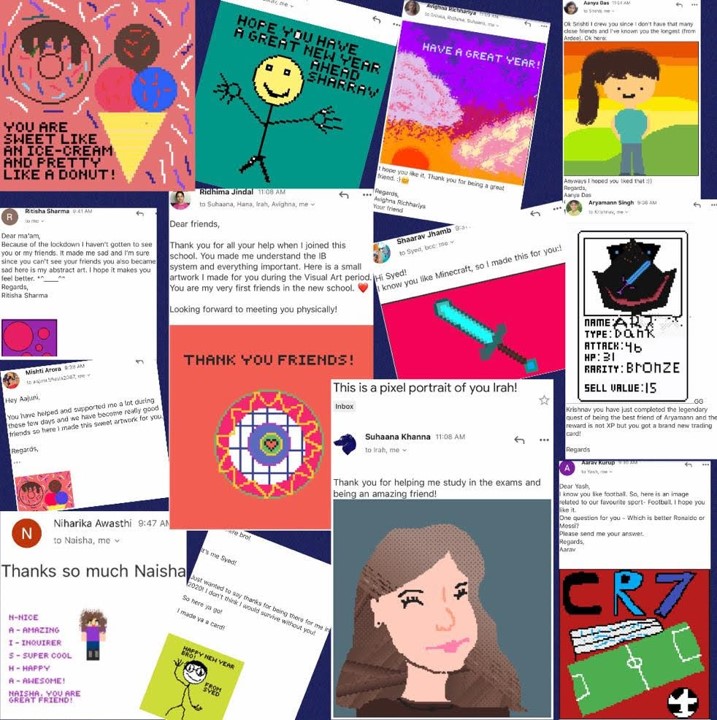


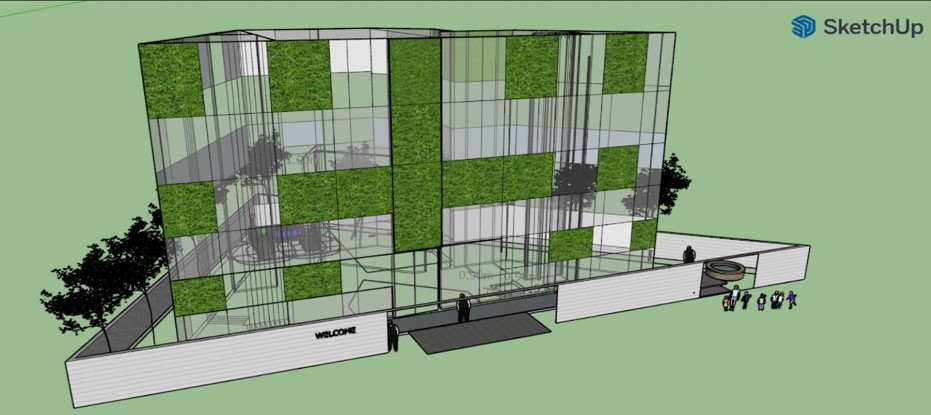
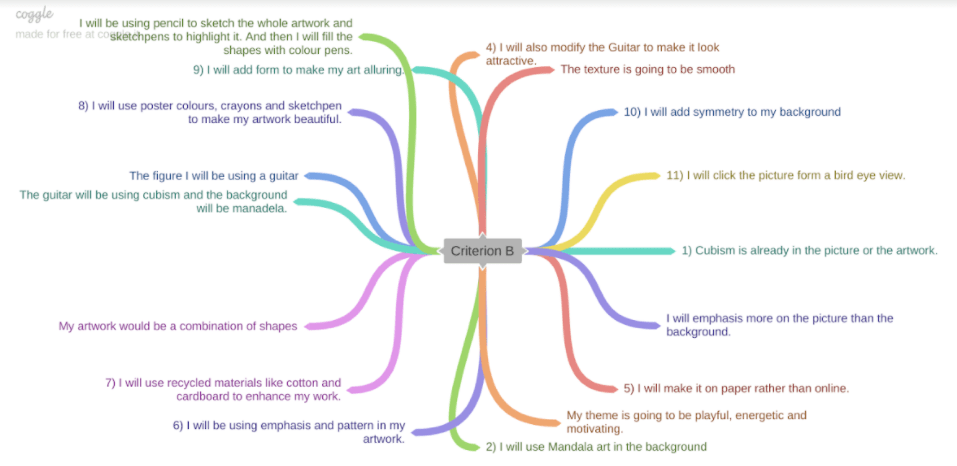




Celebrating the learning journey: Virtual events
CLASS OF 2021: GRADUATION CEREMONY
At DPS International we continued to celebrate our learners and their learning journey.
Graduation ceremony was hosted on Microsoft Teams on April 16, 2021 for the Class of 2021. Even though on a virtual platform, this event successfully captured the prideful and memorable moments of students donning their caps and gowns, in front of friends, family, and teachers.

TOK Exhibition
TOK exhibition ‘The map of Knowledge’ for the class of 2022 was hosted live on Microsoft Teams on February 19, 2021. Students of Lancers International School – Gurgaon, GD Goenka World School – Sohna Road, Genesis Global School – Noida, and Pathways World School – Gurgaon were invited as guests for the exhibition on the virtual platform. Mr. Michael Dunn, the founder of theoryofknowledge.net, the biggest free online resource for the IB Diploma Theory of Knowledge course in the world graced the event as Chief Guest. Students presented their understanding of their chosen IA prompt highlighting the connection between the three objects selected by them and their link to the core or optional theme studied in the TOK lessons.


For all TOK videos exhibited at the DPSI TOK exhibition 2022, please visit the links below:
Personal Project Exhibition
The Personal project Exhibition 2020-21, held virtually on Microsoft Team and streamed live on Facebook on February 13, 2021, was an amalgamation of the efforts and passions of MYP 5 students. Mr. Pranshu Singh, founder of Karo Sambhav, graced the exhibition as the Chief Guest. As the students presented their one-year projects and journeys, the audience was invited to share their feedback in Google Forms for each participants.
 Tech-Dawn