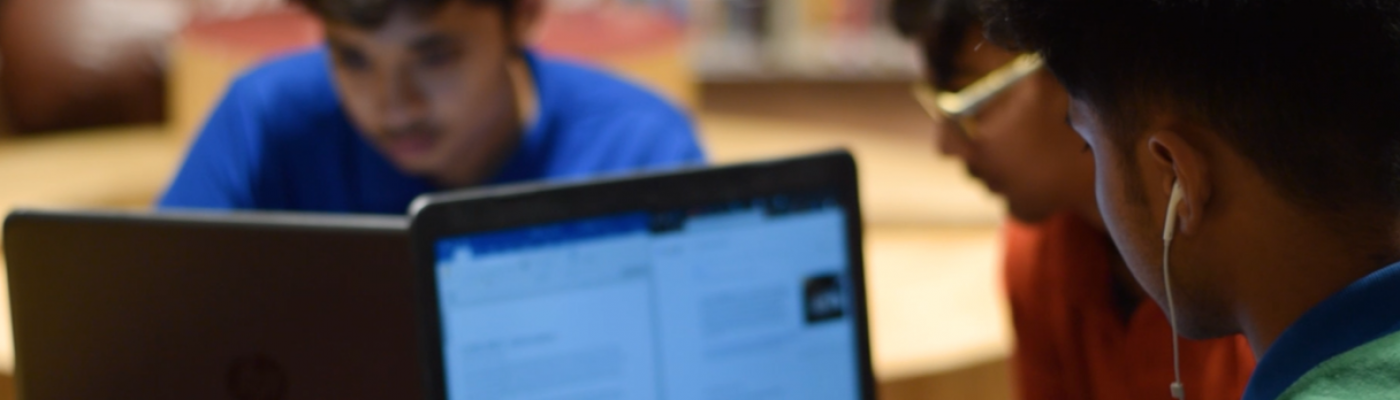
At DPSI we understand the true meaning of learner variability which is the varied needs of learners. In our endeavor to address these needs of senior students, we use multimodal learning opportunities across all disciplines and make extensive use of technology.
Concepts and skills are:
- approached in multiple ways using user-friendly tech tools.
- taught through an array of resources.
- explained with the help of videos, podcasts, listening, reading and writing tasks
- tested through various interactive platforms to facilitate assessment for learning
- displayed through hands-on activities.
All of the above give our curious learners an opportunity to use the preferred mode in their journey of learning.
Multimodality is use of different channels of information that communicate the meaning like use of images, audio, videos, text reading/writing, gestures, experiments and activities. The VARK model suggests four main methods of multimodal learning:
- Visual
- Auditory
- Reading/Writing
- Kinesthetic
Technology integration at DPSI provides teachers an opportunity to use multimodal learning strategies in class to cater the needs of diverse learning requirements of the students
Visual Learning
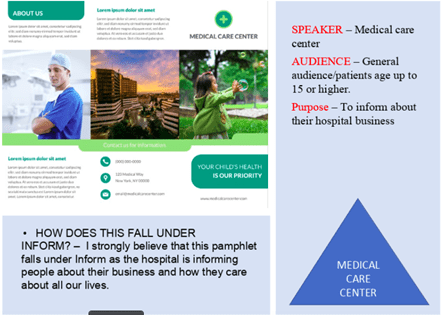
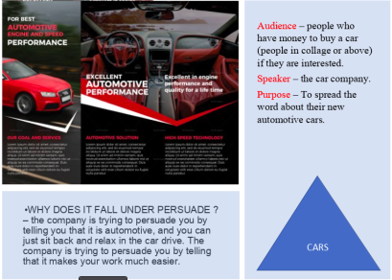
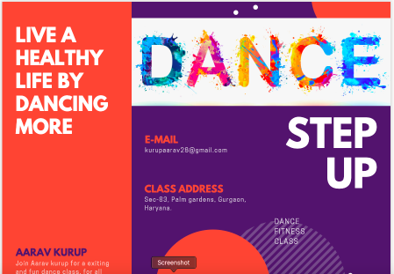
Visual learning involves use of graphs, mindmaps, infographics, flowcharts, videos, presentations, comic strips, posters and similar stimulants to the eyes. Students used tools like Canva, Adobe Spark, Coggle, Mindmup, Draw.io, storyboardthat.com and similar tools to extend their learning across grade levels.
Grade: MYP 1
Subject: Language and Literature
Unit: Language in communication - intercultural understanding
Learning Objective: Use of pamphlets as  forms of writing
Tool used: canva

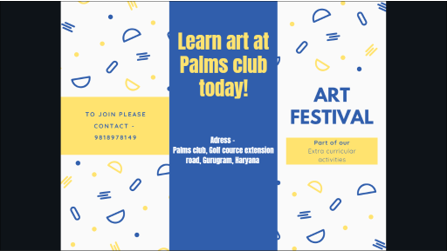
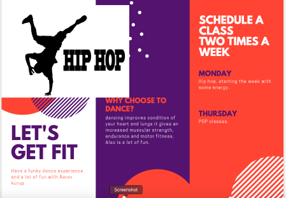
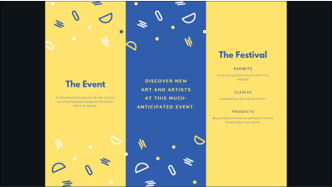
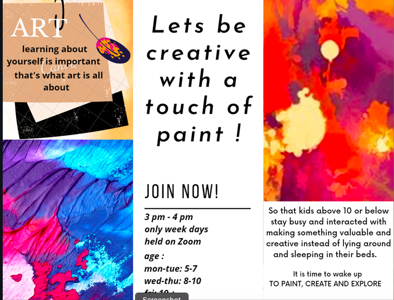
Grade: MYP 1
Subject: Language and Literature
Unit: Language in communication - intercultural understanding
Learning Objective: Use of persuasive speech to create 'Pep Talk'
Tool used: Flipgrid
https://flipgrid.com/f7c8a976
https://flipgrid.com/6a118f65
https://flipgrid.com/5039c4f5
Grade: MYP 3
Subject: Spanish
Unit: Vacation and travel
Learning Objective: Collaboration and discussion on various aspects of a video
Tool used: Mindmeister

Grade: MYP 3
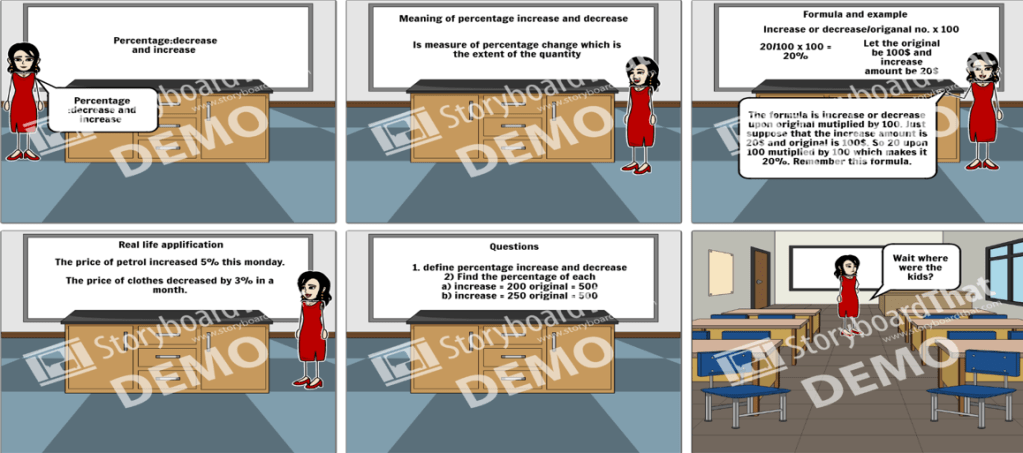
Subject: Mathematics
Unit: Numerical Reasoning
Learning Objective:  To create a comic strip to showcase understanding of application of percentages
Tool used: Storyboard
Grade: MYP 4
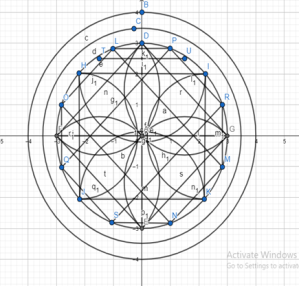
Subject: Mathematics
Unit: Coordinate Geometry
Learning Objective: Integrating Service in the unit of coordinate geometry through creation of Mandala Art
Tool used: Desmos/Geogebra

Grade: MYP 4
Subject: Mathematics
Unit: Quadratic Equations
Learning Objective: Determine the characterisics of a parabola
Tool used: Desmos

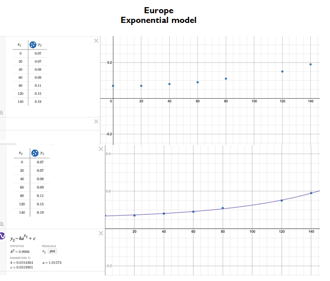
Grade: DP 1
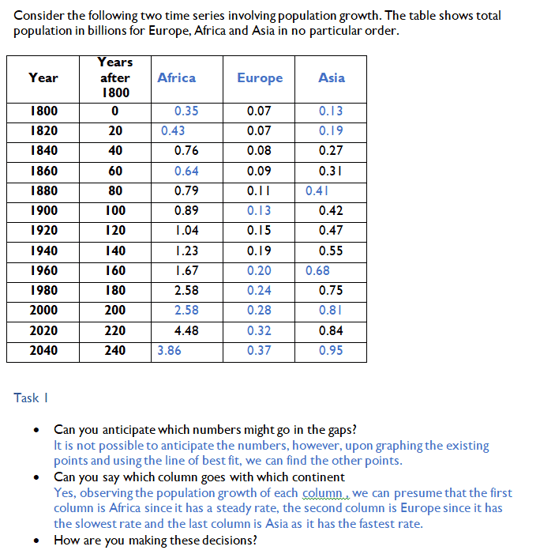
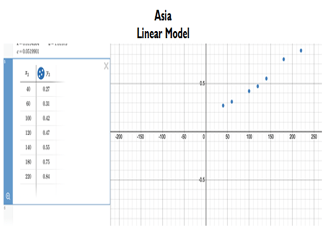
Subject: Mathematics
Unit: Functions
Learning Objective:  Modelling a real life situation using functions and graph
Tool used: Desmos/Geogebra

Grade: DP 2
Subject: German
Unit: Social Organization
Learning Objective: Learn different subjects names in German Language
Tools used: Coggle

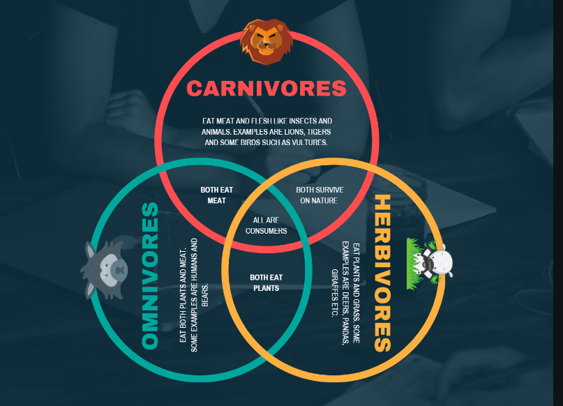
Grade: MYP 1
Subject: Integrated Sciences
Unit: Food chain and food web
Learning Objective: Exploration and note taking using graphic organizers
Tool used: Graphic/drawing software

Grade: MYP 2
Subject: Language and Literature
Unit: Work in Translation
Learning Objective: To use voice modulation and verbal expression to present a summary.
Tool used: Flipgrid

  https://flipgrid.com/03d214f9
  https://flipgrid.com/ce991c72
  https://flipgrid.com/68b80be8
  https://flipgrid.com/c177af1b
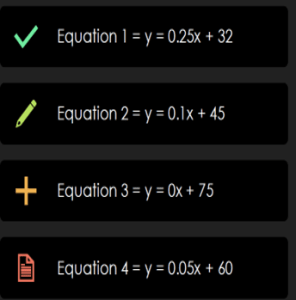
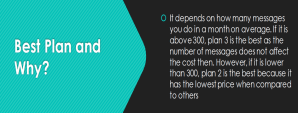
Grade: MYP 3
Subject: Mathematics
Unit: Linear Equations
Learning Objective: To choose best cellphone plans by deriving a function and graphing the same
Tool used: Geogebra

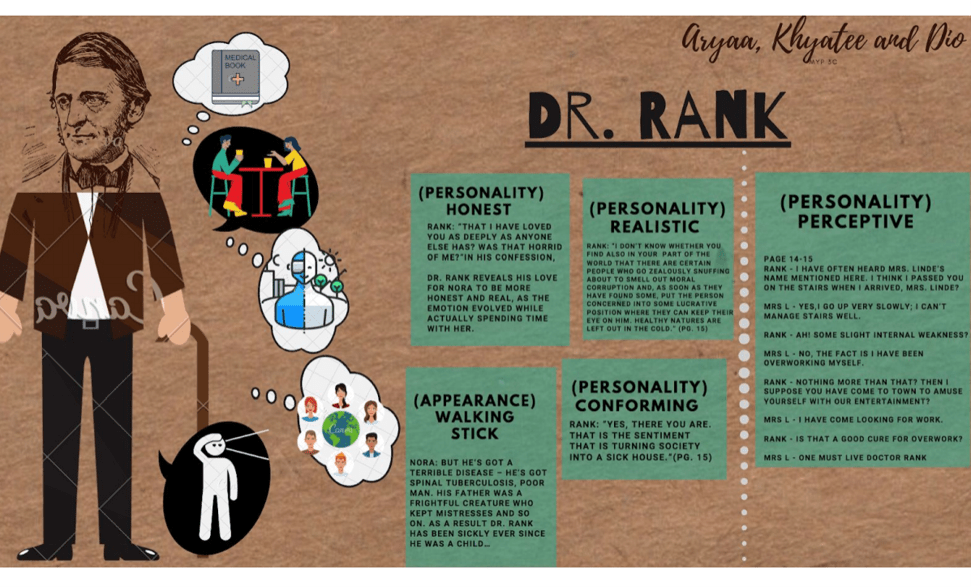
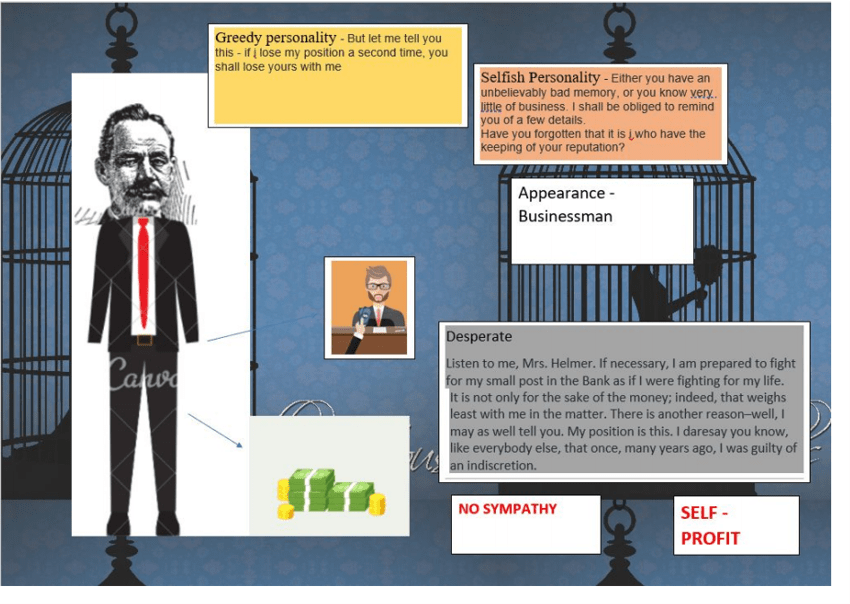
Grade: MYP 3
Subject: Language and Literature
Unit: A Doll's House
Learning Objective: Explore and analyse the characters in Doll's house.
Tool used: Canva
Grade: MYP 1
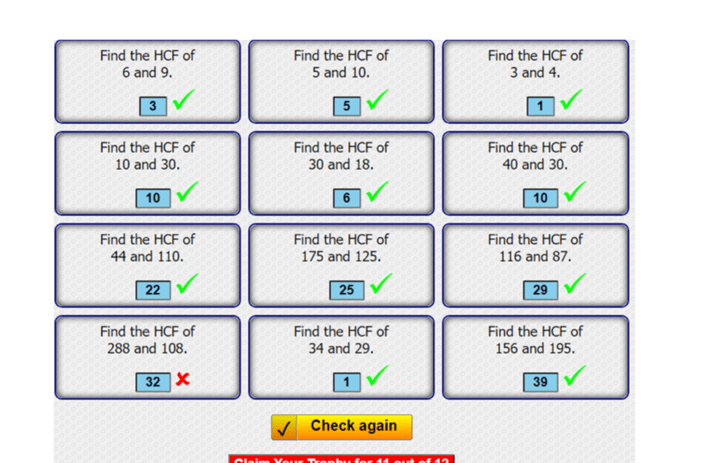
Subject: Mathematics
Unit: Number Systems
Learning Objective: Revisiting concepts of number system using games
Website used: https://www.transum.org/Software
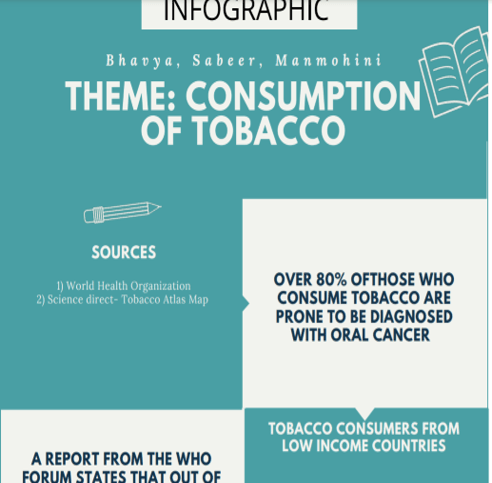
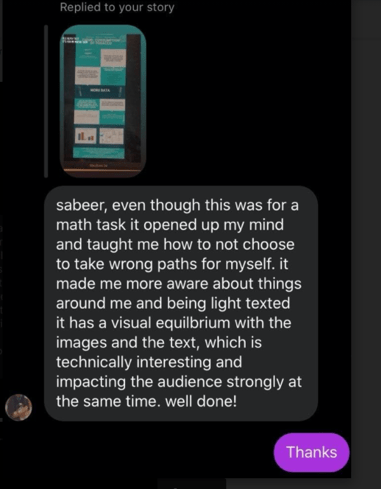
Grade: MYP 5
Subject: Mathematics
Unit: Probabilities
Learning Objective: Communicate data effectively through infographics
Tool used: Canva
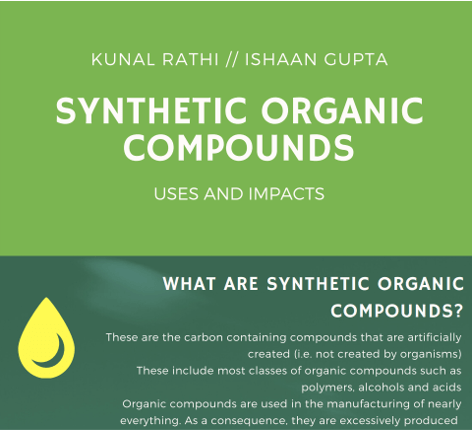
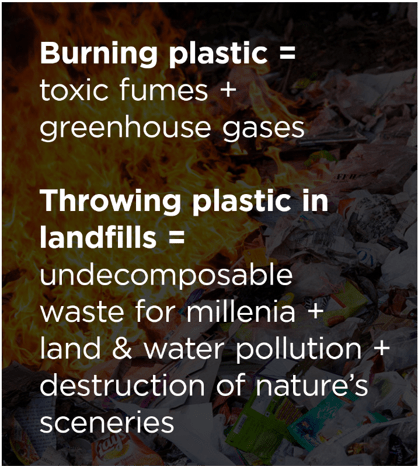
Grade: DP 2
Subject: Chemistry
Unit: Environmental effects
Learning Objective: Present the conceptual knowledge of effect of synthetic organic compounds on environment
Tools used: Artboard, Stripo, Piccollage

Auditory learning
Auditory learning connects with the learners through listening. Use of podcasts, webinars and synchronous classes on Teams required students to learn by listening.
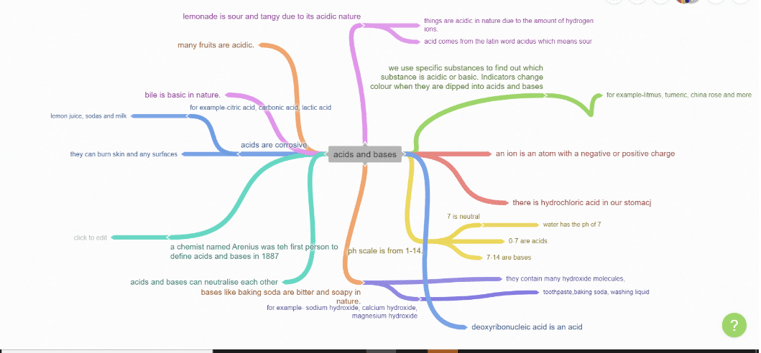
Grade: MYP 3
Subject: Chemistry
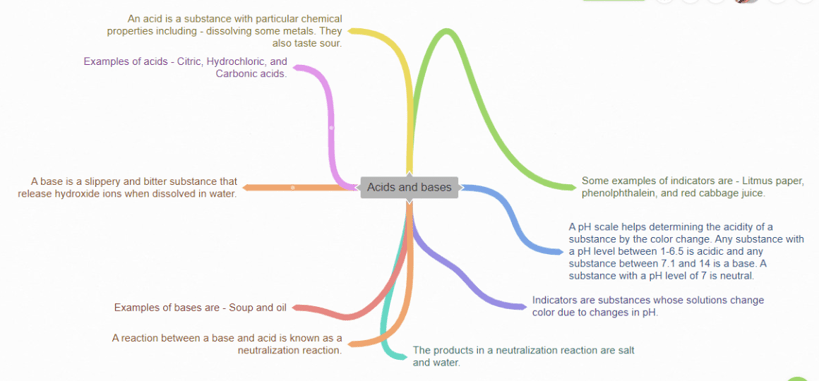
Unit: Acid, Bases and Neutral solutions
Learning Objective: Enhance listening skills using podcast and drawing mind map
Tools used: podomatic.com and coggle
Podcast Link
Grade: MYP 2
Subject: Mathematics
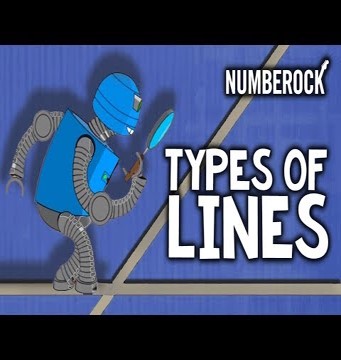
Unit: Geometry(2D and 3D shapes)
Learning Objective: Learning, remembering and recalling types of line with songs
Song Link
Grade: MYP 3
Subject: Cyber wellness
Learning Objective: Podcast creation to raise awareness for cyber wellness
Tools used: Podcast and audio recording tools
Podcast Link 1

Podcast Link 2

Podcast Link 3
Reading and Writing
Students were provided multiple resources with information presented in different types of texts. The practice of learning by reading and writing stayed unchanged during the virtual school setup.
Grade: MYP 2
Subject: Language and Literature
Unit: Work in Translation-'The Chameleon'
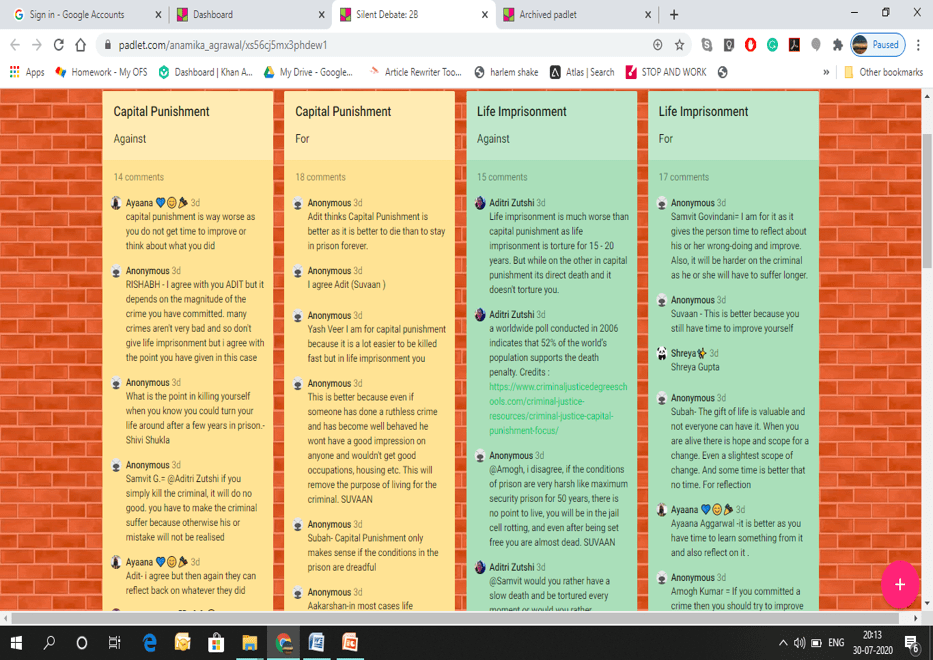
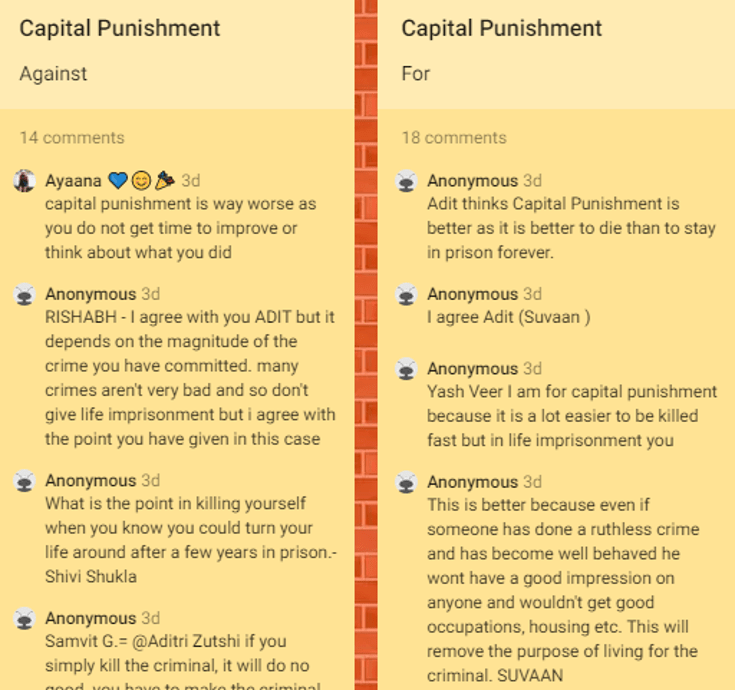
Learning Objective: Debate on life imprisonment versus capital punishment.
Tool used: Padlet
Grade: MYP 3
Subject: Language and Literature
Unit: A Doll's House
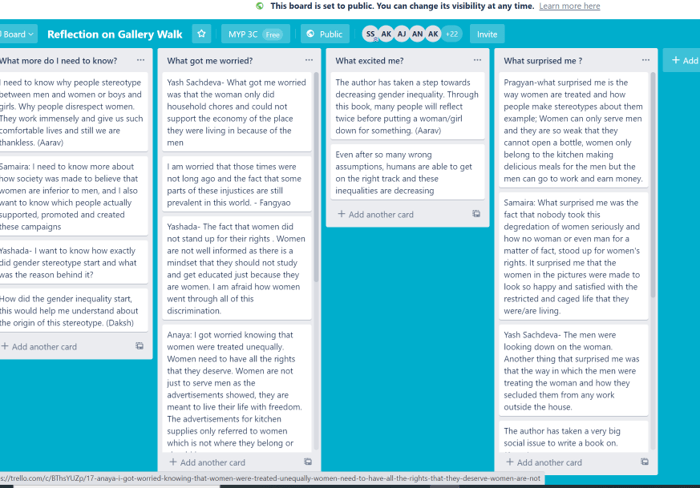
Learning Objective:  Reflection on stereotypical representation of women.
Tool used: Trello
Grade: MYP 5
Subject: Language and Literature
Unit: Language and Power
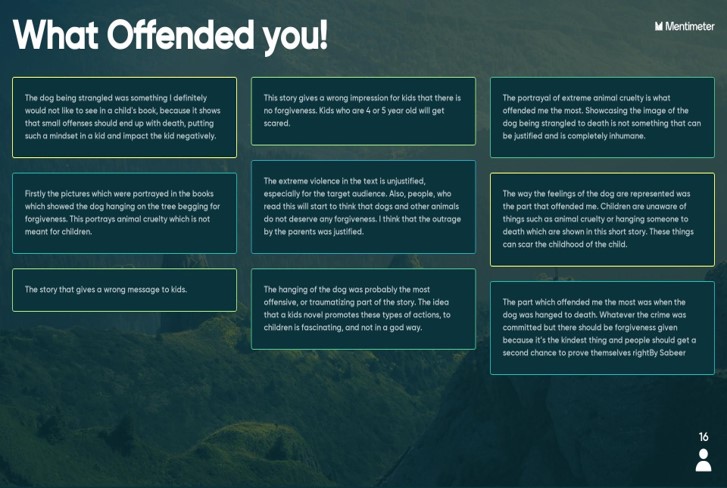
Learning Objective: Precursor to petition writing- what offended the students in a text given
Tool used: Mentimeter
Grade: DP 1
Subject: German
Unit: Experiences
Learning Objective: Collaborating and sharing ideas
Tool used: Padlet

Grade: MYP 3
Subject: Individuals and Societies
Unit: Food and Health
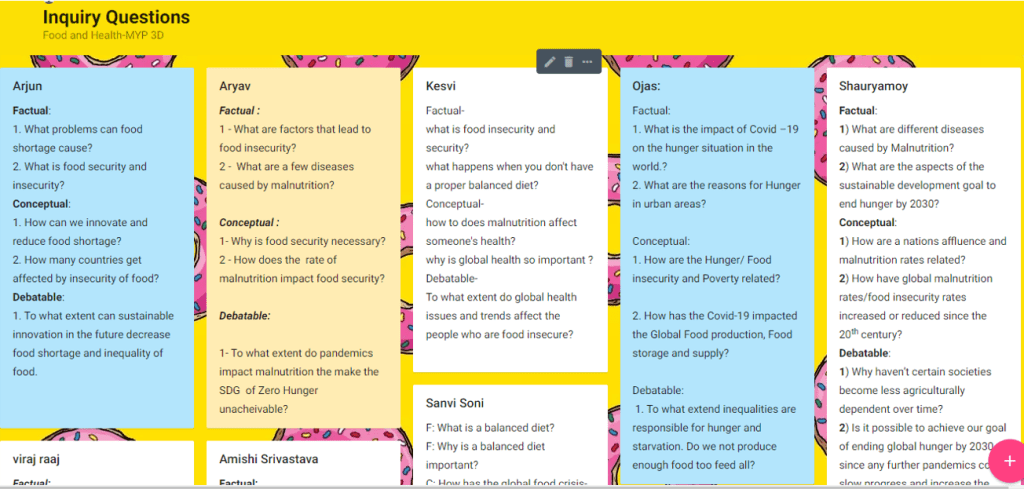
Learning Objective: Formulating  inquiry questions(factual, conceptual and debatable) for the unit
Tool used: Padlet


Grade: MYP 4
Subject: Inter-disciplinary Unit
Unit: The Global Co-existence
Learning Objective: Examine and reflect on the impact of COVID-19 on businesses, from local, national and global context
Tool used: Padlet

Grade: MYP 5
Subject: Language and Literature
Unit: Language and Power
Learning Objective: Mini debate on ethics in cloning
Tool used: Trello
Link to Trello

Grade: DP 1
Subject: Spanish
Unit: Sharing the planet
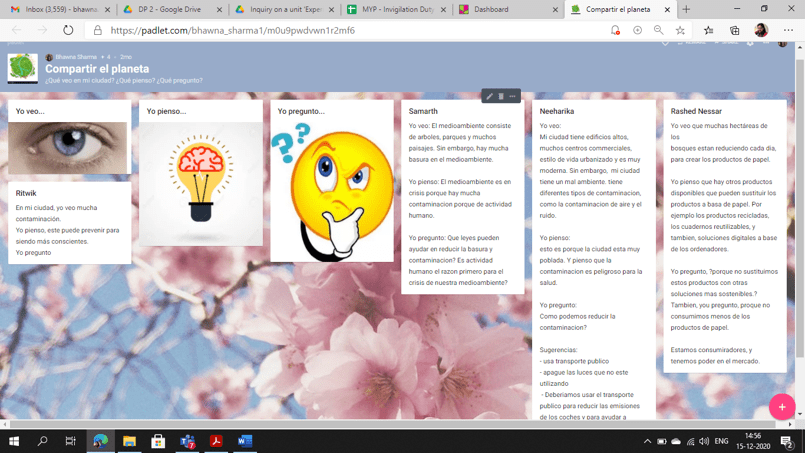
Learning Objective: VTR on sharing planet(What do I see in my city? What do I think about it? What do I wonder?)
Tool used: Padlet
Kinesthetic Learning
Using real-life situations, case studies, models, organising experiments, virtual field trips, activities, making presentations are some tasks that get the learners active. Kinesthetic learning involves learning by doing and associating content knowledge/skills with real-life context and is usually a combination of all other types of learning.
In the virtual school setup, students used simulations and virtual labs as an alternate to in-lab experiments. Models were replaced by 2D and 3D prototyping and students explored multiple platforms to create interactive presentations.
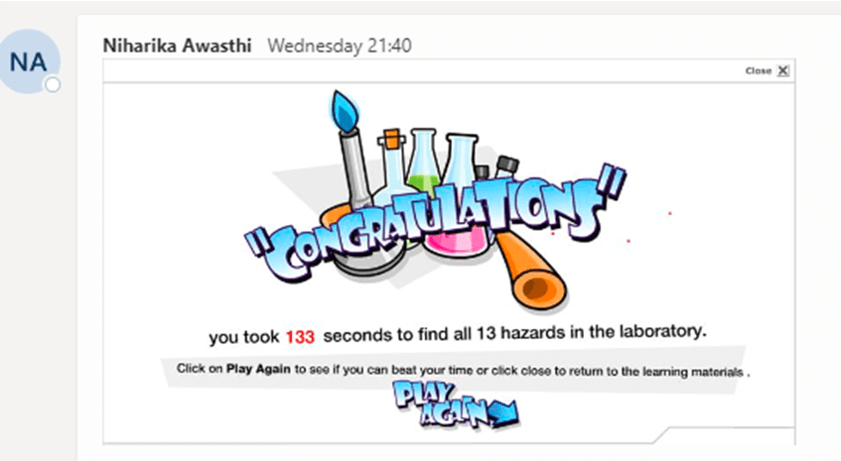
Grade: MYP 1
Subject: Chemistry
Unit: Safety Measures
Learning Objective: Identify all possible lab hazards in a virtual lab setup
Tool used: Flash player game


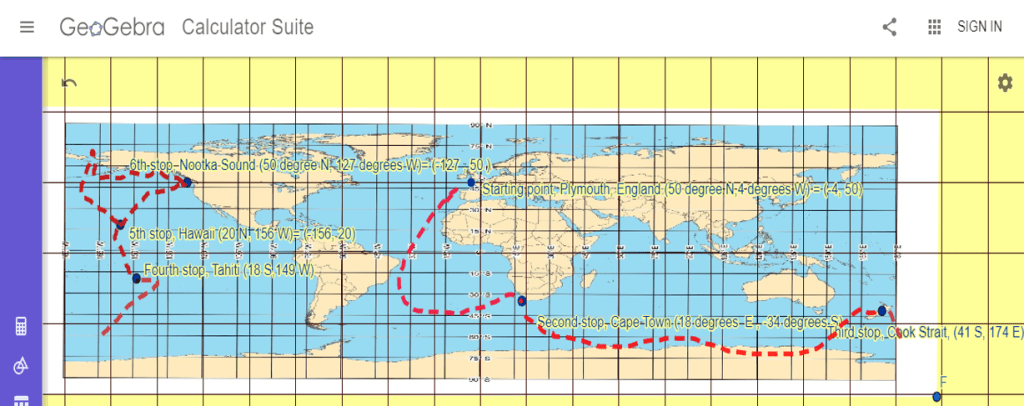
Grade: MYP 4
Subject: Mathematics
Unit: Number benders
Learning Objective: Create a map of places visited and calculate the change in longitude and latitude
Tool used: Geogebra
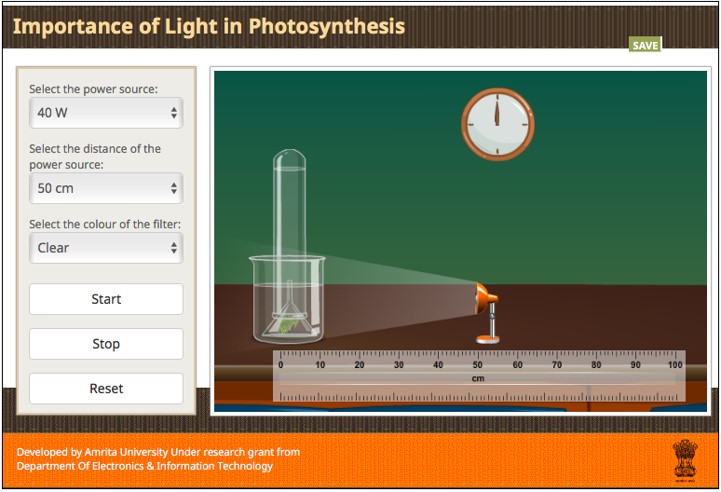
During remote classes, all grades used Virtual Labs for scientific experiments
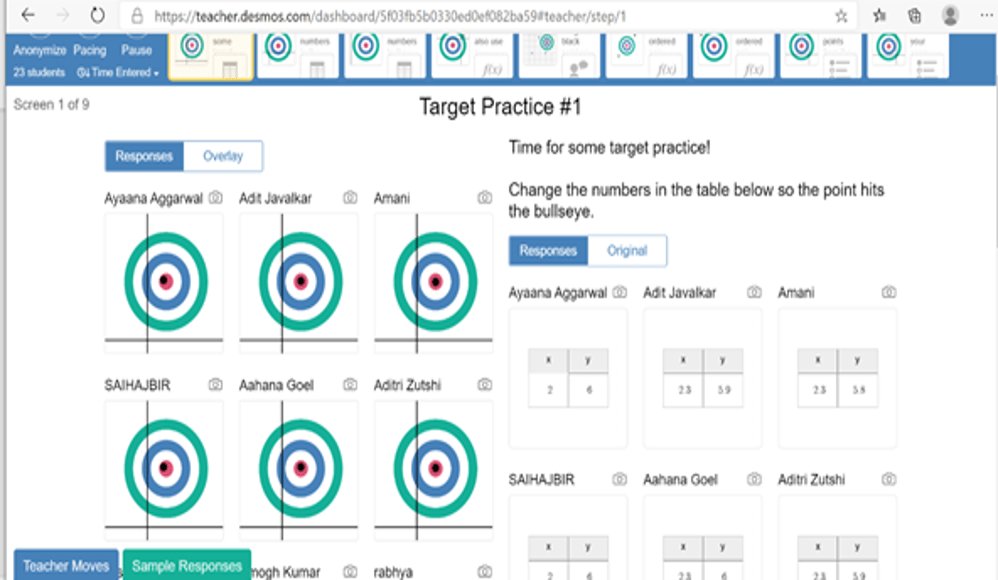
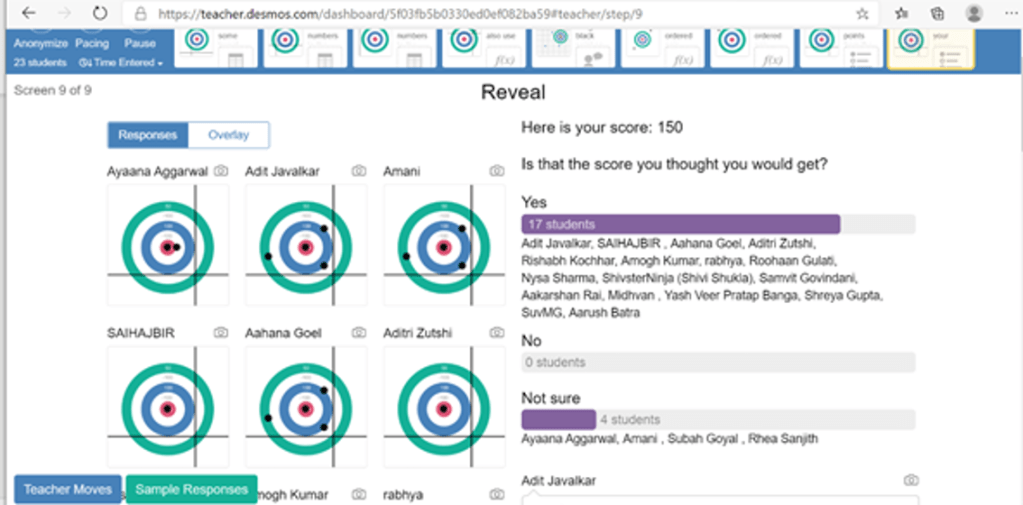
Grade: MYP 2
Subject: Mathematics
Unit: Geometry(2D and 3D shapes)
Learning Objective: Identify coordinates of a point by analyzing quadrant and location
Tool used: Desmos/ Geogebra
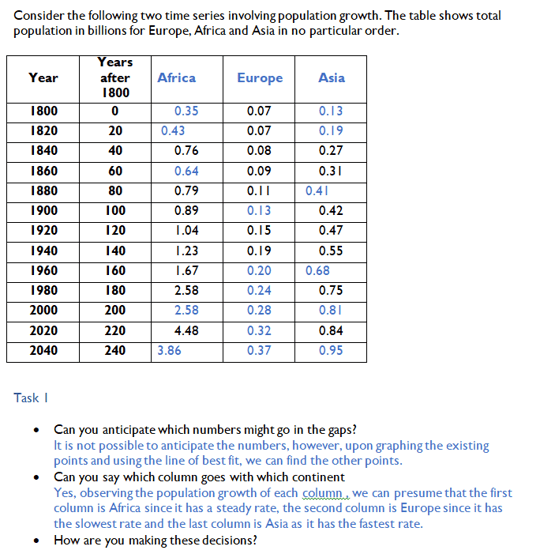
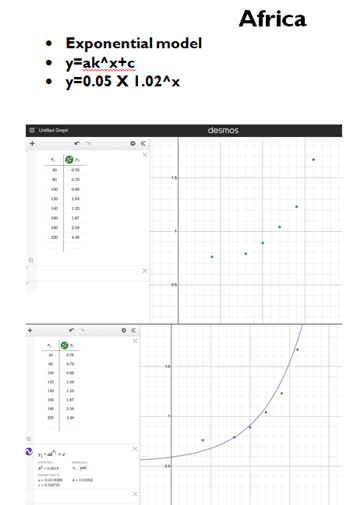
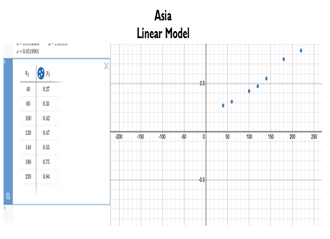
Grade: DP 1
Subject: Mathematics
Unit: Functions
Learning Objective: Modelling a real life situation using functions
Tool used: Desmos/Geogebra

Parent Teacher Communication in Virtual Setup
Virtual parent-teacher meetings have allowed educators to interact with parents on the academic needs, skills, and interests of their wards, making for a more personalized and meaningful model of feedback and feedforward. Interaction on Microsoft Teams, email exchanges, common messages posted on ManageBac as well as Single Point of Contact (SPOC – parent representative on WhatsApp group of parents to disseminate urgent information) keep the parents updated about the academic life of their wards. We believe in fostering a strong parent teacher relationship for the continuous advancement of our students.

Climate Action Project
Climate action project was launched in October 2020 marking the fourth annual global event aiming to involve 1,00,000 participants across the 100 countries. The global collaboration project aimed to change behavior through education and was in collaboration with WWF, UN and NASA and supported by HH Dalai Lama, Dr Jane Goodall, Kumi Naidoo, President Higgins and many renowned scientists and public figures. All students at DPSI contributed in their own ways and collaborated with schools across the globe to raise awareness and initiate a movement for Climate action.
Ashoka Changemaker Day
Technology is rapidly changing the quality of lives we all live. In fact, for some of us, it might be just right to say that we don’t use technology, we live technology. At DPS International, we encourage our students to be creators of technology rather than just being passive consumers. Identifying the needs of the community in the current time, students look for an opportunity to ideate and create technological solutions, be it an app, website, or product, that can benefit society at large.DPS International hosted The Changemaker Day event to build awareness about Changemaking among teenagers and recognize teen-led social innovations. The event was conducted by Ashoka Innovators for The Public. In this event, besides speeches of eminent innovators, there was a showcase of ‘Idea Pitch’ of selected Innovative Projects ideated and developed by our students. These students also received valuable feedback from eminent innovators for the implementation of these ideas.
Some ideas pitched at the event are given below:
Cleansitec, a product prototype, is a pocket device that can be used to sanitize working spaces. During these pandemic times, a simple device that is easy to carry and use when travelling, at the office or even at home. The device uses UVC LEDs to clean the surface and uses a solar cell along with a USB-C port for charging.
Covid Fighters app is conceptualised to help improve the mental health of people facing increased stress. The app is intended to monitor the breathing and heart rhythms and face recognition features to detect feelings and emotions. The app will use sensors and features already present on the mobile phone along with radio waves to capture data. The app also provides features like booking a session with a counsellor and a fidget space of colours and sounds to relieve stress.
SKOMAX is a shoe prototype that in intended not only to protect and comfort the foot but also help produce energy to charge your devices on the go. The shoe uses the concept of piezoelectricity in which the mechanical pressure while walking or jogging can be converted into electrical energy. Truly a technological innovation that can encourage healthy routines like walking and jogging along with providing clean energy for charging devices like mobile, iPods etc.
Technology and Media Club
The club came into existence in year 2020. The club has two divisions and is led by students for the students.
Media Division: gives members a platform and the resources where they learn about videography, filmmaking, photography, graphic design, et cetera.
IT Division: gives members space where they can mutually learn from each other about the world of coding and web design.
The students participated in some of the inter-school events. Here is a glimpse of their submissions:
Cyber Wellness and SEL
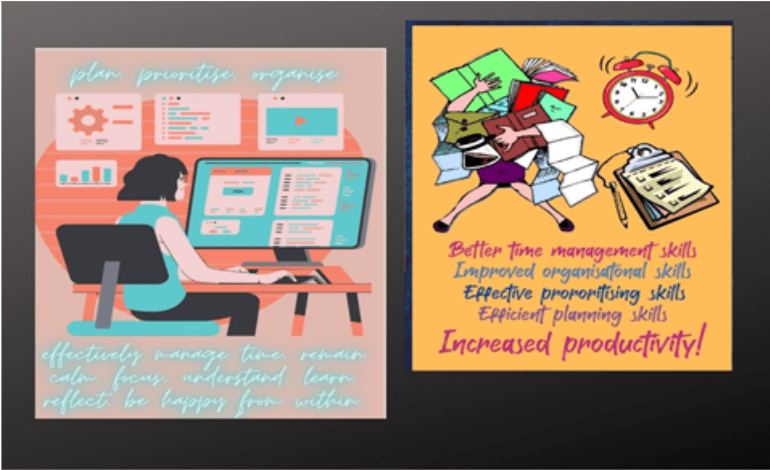
DPSI organised the various virtual Social Emotional Learning(SEL) workshops for students, teachers and parents as the academic year 2020 began. These online workshops were organised with the intention to promote wellness amongst DPSI community. The present emotional and physical challenges were carefully examined and workshops on skill building such as self-compassion, self-regulation, mindfulness helped all to overcome the adversity. Virtual wellness survey through online form was conducted to develop a safer virtual educational setup for students and teachers supporting their social-emotional and physical well-being. Informative sessions on cyber safety, self-management strategies, time-management strategies and growth mindset were conducted to enable students to use technology more effectively.

Virtual Assemblies and School events
Life and learning never stops at DPSI. During the virtual school, school assemblies were more important as they bought all students together. Graduation and bidding farewell to the graduating batch of 2020 went virtual. The senate election for session 2020-2021 was conducted online and the new Senate was invested in a virtual ceremony. The school hosted the Virtual College Fair with more than 70 universities.
Virtual Graduation
Virtual Senate elections
The Investiture and Awards Ceremony
Virtual College Fair:
Panel Discussion:
From the desk of Ms Rima Singh, Head of School
COVID 19 changed the ‘resident status’ of educationists overnight from the comforting familiarity of a classroom to one that needed rapid innovation and implementation of technology. For years we had navigated the bustling classrooms with aplomb that were overnight replaced with the glass screen of laptops. As we logged in each morning, we thanked technology for supporting the seamless shift in teaching and learning practices on the virtual platform. As a preferred option, Microsoft Teams has ensured students can collaborate, communicate and continue their learning journey outside the physical classroom spaces. Technology has enabled students @ DPSI to augur thinking, by providing tools that are diverse and cater to needs for every age. We can continue to debate the relevance of a hybrid or even a blended model of learning for students in the not so distant future but we must take a moment to ponder if technology is removing the core of teacher – pupil dependence where safety was a shared responsibility. Is the tech savvy child mindful of the pitfalls outside the school campus.
 Tech-Dawn