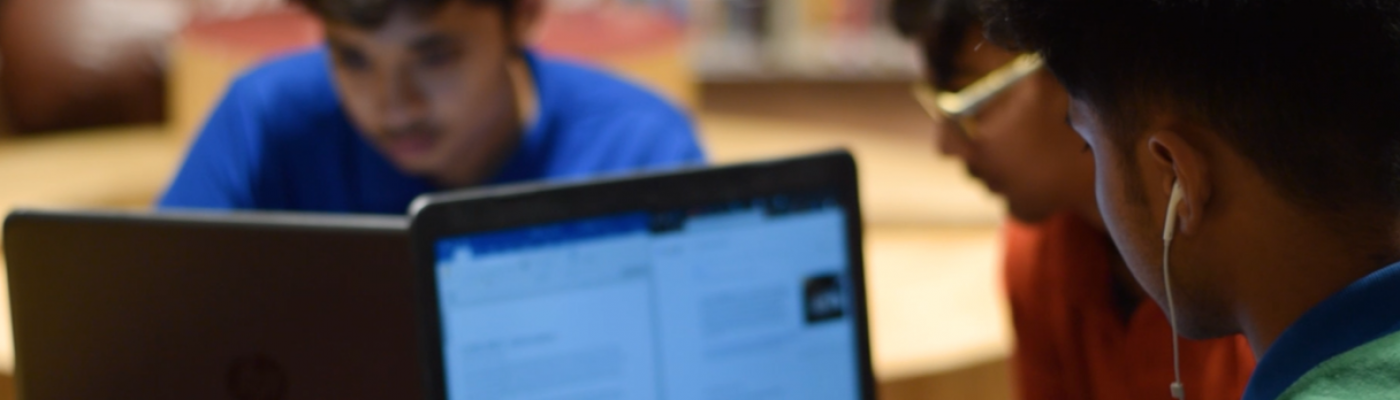
Digital citizenship can be defined as the benchmark of safe and ethical use of technology. It helps in preparing students to act responsibly while working online.
Digital world is a big part of real world. Digital citizenship is the way we act, think and behave online. We need to think critically and not trust everything we see online.
Digital citizenship goes beyond conversations about personal responsibility. It’s about becoming active citizens who see possibilities instead of problems, and opportunities instead of risks as they curate a positive and effective digital footprint.
Digital Citizenship @ DPSI aims at offering an exceptional technology driven educational environment with a purpose of developing open-minded, aware and responsible digital citizens who will act and model in ways that are ethical, safe and legal while promoting well being of self and others.
The digital citizenship curriculum @ DPSI is aligned to the International Society for Technical Education (ISTE) guidelines. The five strands of digital citizenship curriculum that have been addressed are Digital Identity, Safe and Ethical Behavior, Intellectual Property Rights, Personal Data Privacy and Security, and Digital Health and Wellness.
Early Years
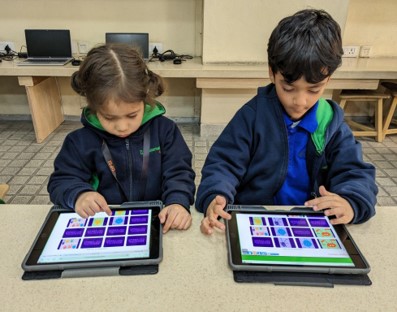
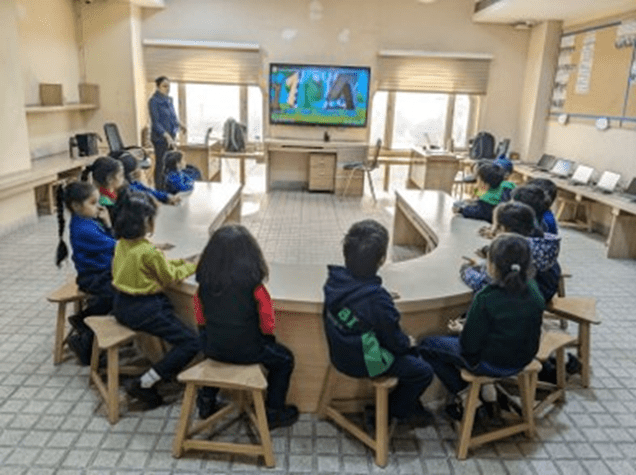
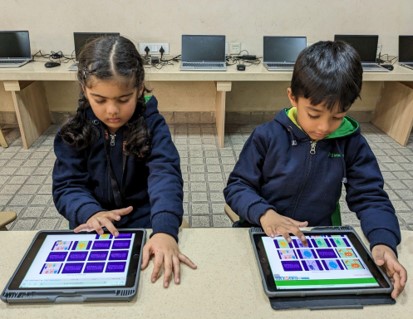
Students were apprised about the use of the internet to visit faraway places and learn new things while staying safe online. They learned to build a routine as a self-regulation strategy for transitioning from technology to face-to-face interactions.
Grade 1


Students learned how to behave online and the importance of private and personal information. They were also made aware about the risks associated with sharing private information online. Identification of secure and unsecure websites with icons was initiated. Students can now identify websites and apps which are ‘Just Right’ and ‘Not Right’.
Grade 2


Students were apprised about private and personal information and how to keep themselves safe by not sharing their private information on the internet.
The students were also briefed about the importance of creating strong passwords through a video.

The students were apprised of the importance of digital footprint though a video. They discussed the guidelines to manage their own digital footprint by staying responsible and respectful online.
Grade 3
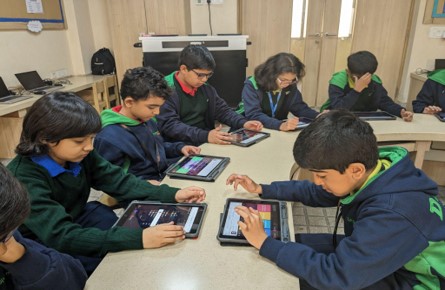

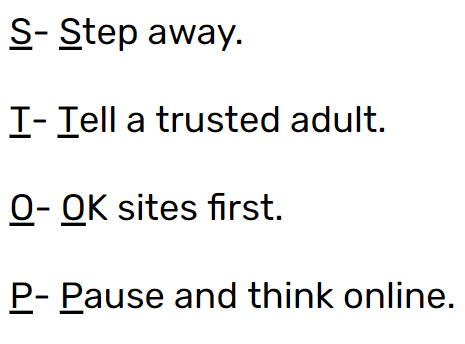
Students were taught to use courteous language as a norm and understand the importance of the words we use. They were also introduced to the ways to respond and resolve online meanness using S-T-O-P strategy and use the statements which are appropriate to be posted online.
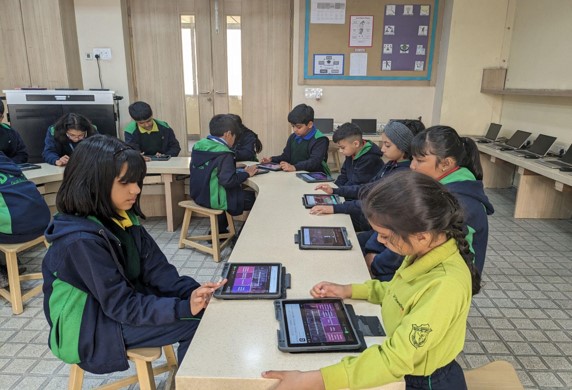
Students were made aware about the importance of password and its purpose. They learnt to create a secure, memorable and strong password.
Grade 4


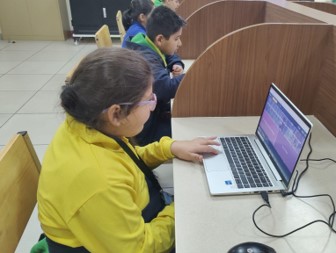
Students cultivated and learned to manage their digital identity. They noted online activities that contribute to the digital footprints of an individual. Students understood the consequences of their actions in the digital world and what responsibilities they must shoulder for their own digital footprints and those of others, through some case studies.
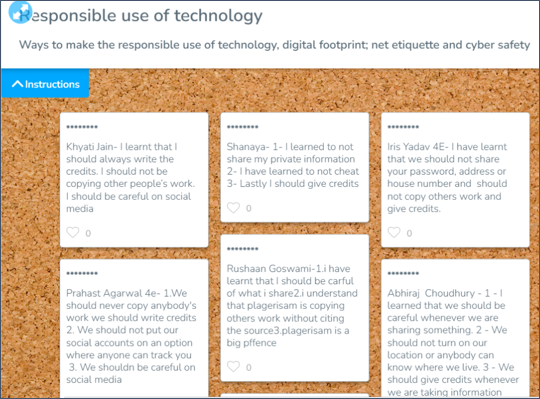
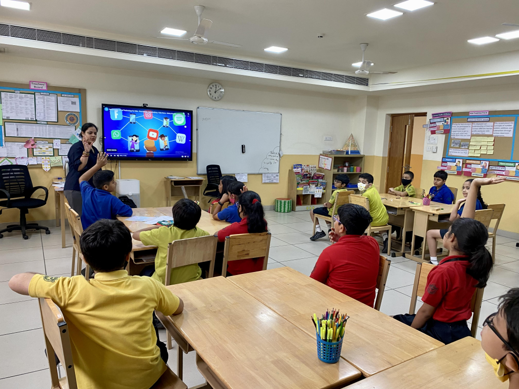
Students learned how to engage in positive, safe, legal, and ethical behavior while using technology, including social interactions online or using networked devices. They understood the meaning and importance of academic integrity. They also identified the reasons why people share information about themselves and the risk associated with sharing private information online.
Grade 5


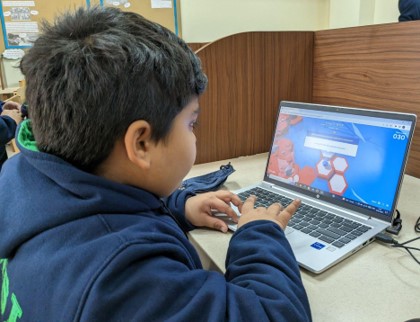
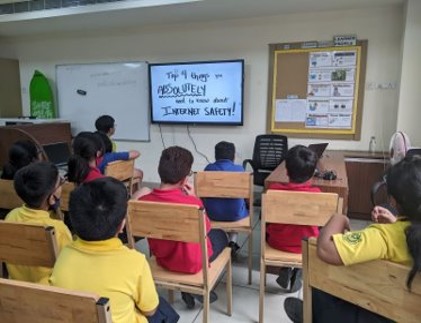
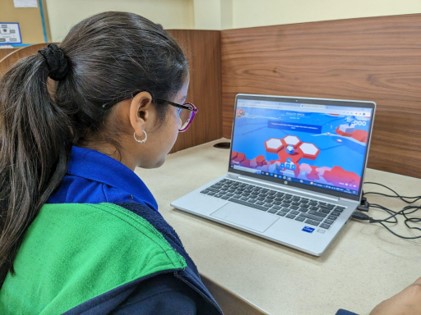
Students were apprised about the importance of being safe and responsible online. Students learnt ways of keeping themselves digitally safe by creating strong passwords using alpha-numeric and special characters, installing antivirus in the laptop, not sharing private information on the internet.
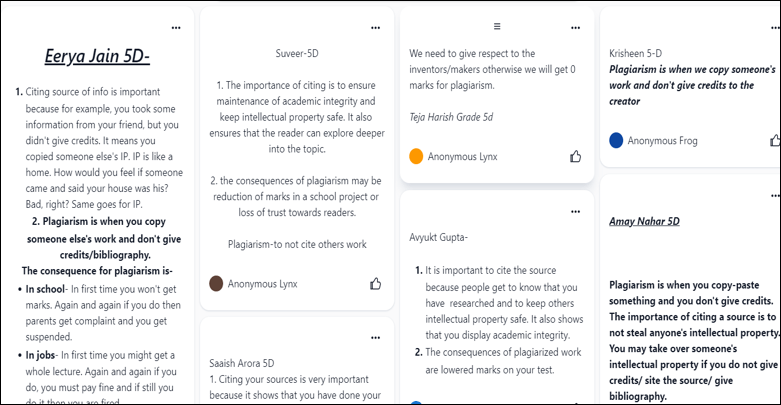
Students learned the importance of citing sources through a video presentation. They were acquainted with the consequences of presenting plagiarized work.
Guest Speaker Session

Students learned about the impact of their digital lives on their well-being and relationships while learning to balance media in their everyday lives. Through various activities, they learned to make informed media choices. They were briefed about the correct body posture while working on digital devices and were asked to minimize their screen time.
 Tech-Dawn